4AllFamily vs. Traditional Coolers: What Actually Makes the Difference?
With 4AllFamily, traveling with temperature-sensitive items is much easier. 4allfamily offers solutions to make this process easier, you already know the problem […]
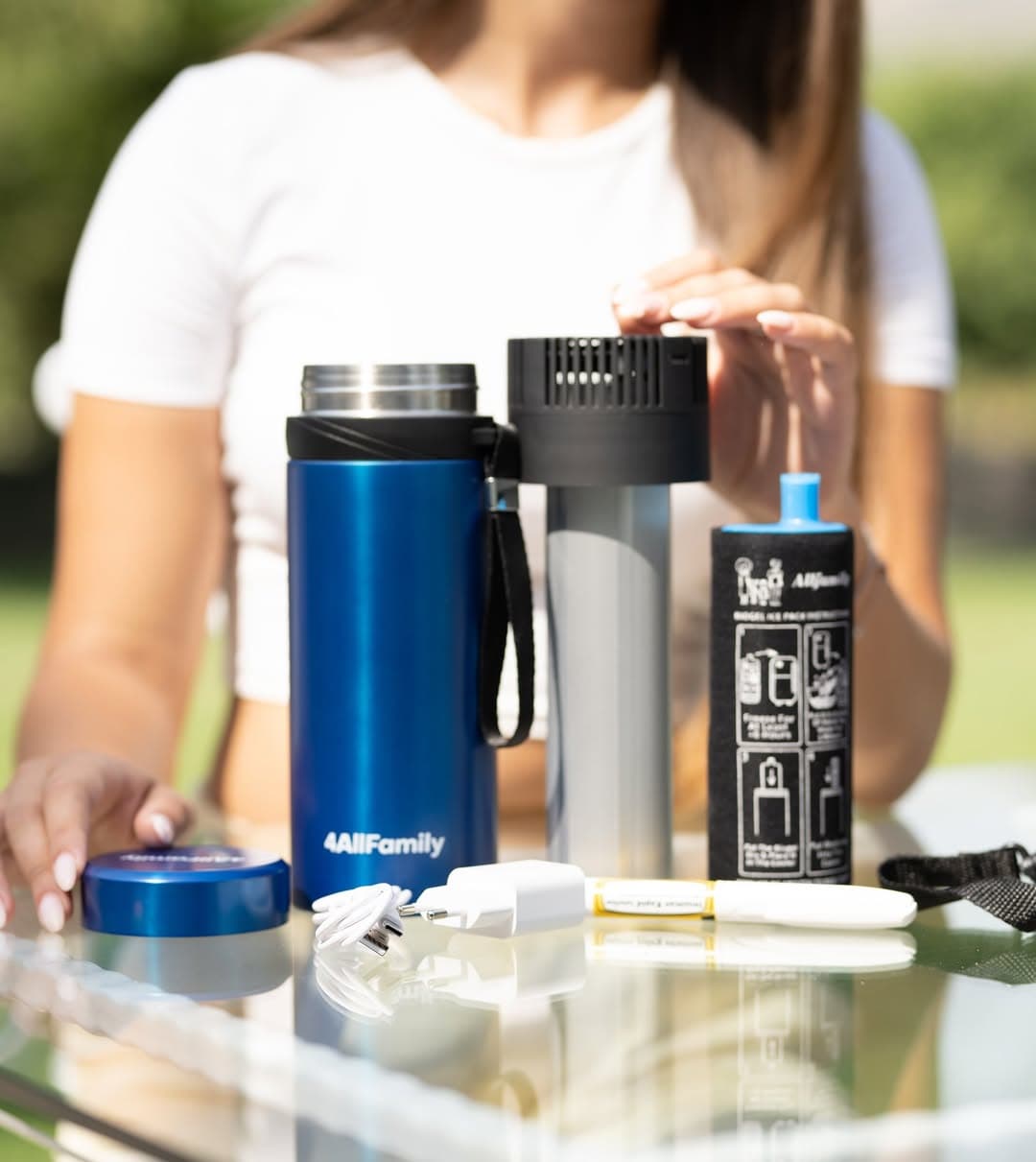
With 4AllFamily, traveling with temperature-sensitive items is much easier. 4allfamily offers solutions to make this process easier, you already know the problem is not “keeping something cool”.
It’s keeping it safely cold. For long enough. Without guessing. Without playing the fun little game of, “Is this still within range or did I just ruin a very expensive medication somewhere over Nebraska?”
Traditional coolers do a decent job at one thing: slowing down heat. That’s it.
But when people compare a medical travel cooler like 4AllFamily to a normal cooler, they usually miss the real point. The difference is not just size, or the fact that one looks more “medical”. It’s the way they deal with temperature control, real world logistics, and all the annoying failure points that show up when you’re actually out of the house.
So let’s break it down in plain terms. What’s the real difference? And when does it matter?
First, what are we even comparing?
Traditional coolers (the usual stuff)
This is your standard insulated cooler, lunch cooler, hard sided cooler, soft cooler bag. You add ice packs, loose ice, frozen gel packs, whatever you have. Then you close it and hope the insulation plus the cold mass buys you enough time.
They’re built for drinks, food, camping, maybe a picnic. Not specifically for “this must stay between X and Y degrees or it’s no longer usable”.
4AllFamily (medical travel cooling systems)
4AllFamily makes portable medical coolers designed around medication transport, especially temperature sensitive meds. They’re typically built around either:
- Passive cooling (insulation plus a thermal element you pre-freeze, but designed around medication needs)
- Active cooling (electric cooling using USB, car adapter, wall power, etc., depending on the model)
And that active part is where the entire conversation changes because now you’re not just delaying warming. You’re managing temperature.
This aspect of temperature management is crucial as certain medications can become ineffective if not stored at specific temperatures as highlighted in this study.
The biggest difference: temperature management vs. temperature delay
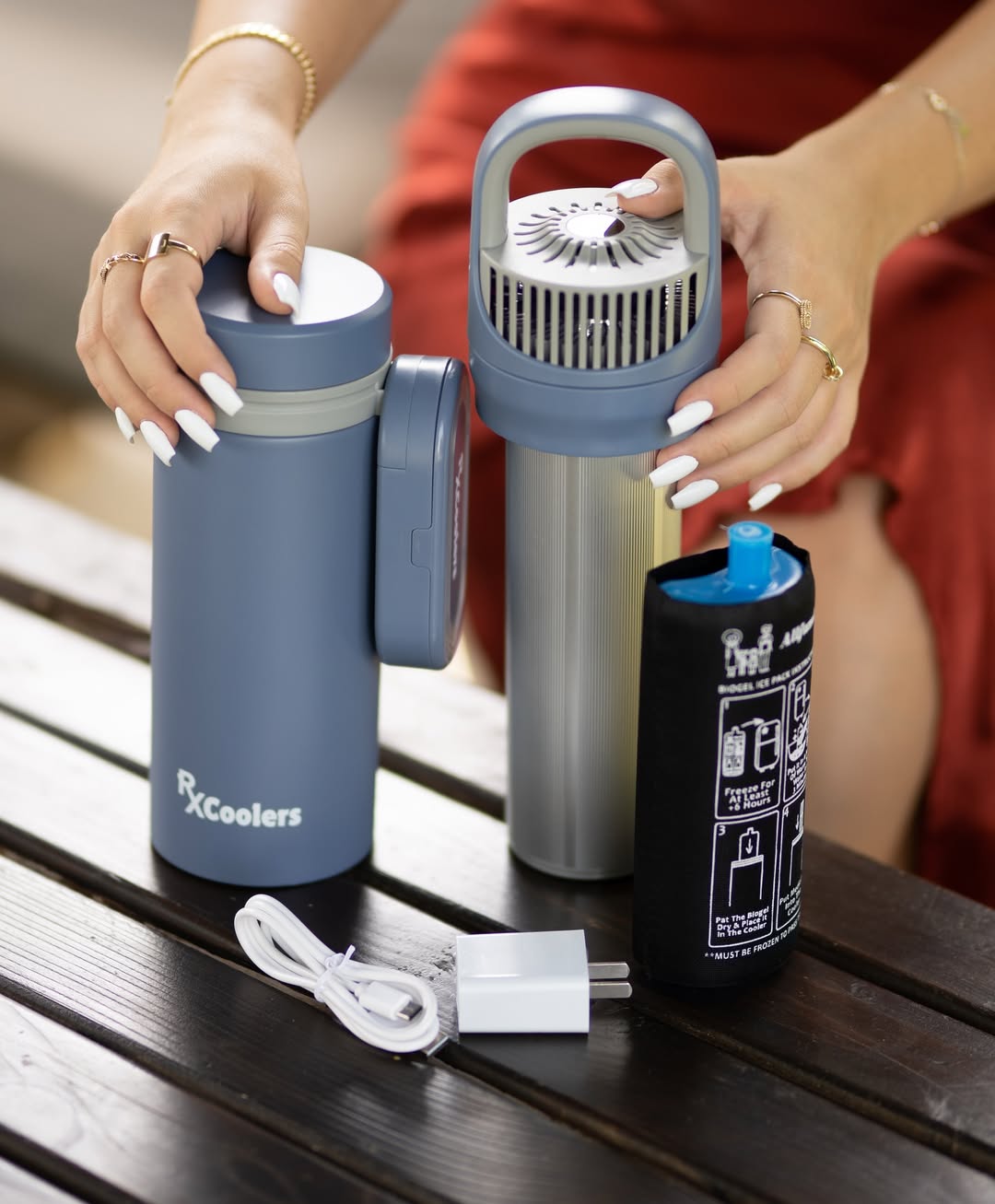
A traditional cooler is basically a timer. You start cold, then you slowly lose that cold.
A medical cooler is trying to be a controller, or at least a more predictable system.
With a traditional cooler
You usually get:
- A big cold hit at the start, sometimes too cold
- Then a slow warm up
- And you have no clear idea where you are on that curve unless you keep checking with a thermometer
Also, this matters more than people think, a cooler can absolutely make things too cold. If medication is pressed against a frozen pack, you can accidentally freeze it even while worrying about it getting warm.
So the traditional cooler problem is not only “will it warm up too soon”. It’s also “did I freeze it early on”.
With 4AllFamily style medical coolers
Depending on the model and setup, you get something closer to:
- More stable temps for longer
- Less direct contact freezing risk (because of design, compartments, or how the cooling element is used)
- A system that’s meant to match medication constraints rather than beverage constraints
The goal is not “keep it kind of cold”. The goal is “keep it in the safe zone”.
The second difference: predictability (and less guessing)
Most people underestimate how stressful uncertainty is. Not the cold itself. The guessing.
Traditional cooler travel usually looks like:
- “I used two gel packs this time instead of one.”
- “I wrapped the meds in a towel so they don’t freeze.”
- “I put the thermometer in there but I keep opening the cooler to check it.”
- “The hotel mini fridge froze my ice packs weird, now what.”
It turns into a little engineering project.
A purpose built medical cooler is trying to remove that constant improvisation. Not always perfectly, but enough that you’re not doing math in your head at TSA.
And yeah, you can make a traditional cooler work. People do it all the time. But it’s a lot more DIY.
The third difference: portability and personal carry reality
Traditional coolers are often built around the idea that you’re taking a bunch of stuff.
Medical coolers are built around the idea that you’re taking one critical thing.
So the design priorities are different:
Traditional coolers tend to optimize for
- Capacity (more bottles, more food)
- Insulation thickness
- Durability
- “Good enough” sealing
4AllFamily style medical coolers tend to optimize for
- Medication sized storage (vials, pens, cartridges)
- Internal organization so the meds don’t sit directly on an ice brick
- Carry convenience (shoulder straps, compact footprint)
- Compatibility with travel power sources (in active models)
This is one of those differences you only feel when you’re moving through an airport, carrying a backpack, maybe a kid’s bag, and now you also have this cooler that was designed for a tailgate party.
It’s not fun.
Traditional coolers: the hidden risks people don’t talk about
Let’s be honest, the reason traditional coolers are “fine” is because they often work. Until they don’t.
Here are the common failure points.
1) Accidental freezing
This is the big one.
If your medication can’t freeze, putting it next to a frozen gel pack in a tight cooler is risky. People try to solve it with towels, socks, bubble wrap. Sometimes it works. Sometimes the towel shifts. Sometimes the pack is colder than expected.
A medical cooler is usually designed so the cooling source is controlled or separated in a way that reduces this risk.
2) Melt water and humidity
Loose ice melts. Gel packs sweat. The inside gets wet, leading to messy labels and softened boxes. Vials roll around, creating an unnecessary chaos. It’s not always catastrophic, but it’s not ideal either.
However, managing humidity and condensation in coolers can significantly improve the situation. Medical travel coolers usually manage this better by design, or at least minimize the chaos inside.
3) Temperature swings every time you open it
This is another underrated thing. People check too often.
Every open adds warm air. Then you close it and hope it recovers.
With traditional coolers you end up babysitting. With a medical cooler, especially an active one, you’re less dependent on that “don’t open it” discipline.
4) “It was fine when I packed it”
The most dangerous sentence.
You pack cold. Great.
But your day changes. Flight delays. Long car ride. Hotel room isn’t ready. The mini fridge is broken. Suddenly you’re asking an airport coffee shop for a cup of ice like it’s 1997 and you’re on a road trip.
Active cooling options are basically built for this exact situation.
The 4AllFamily angle: passive vs active matters a lot

This is where the comparison can get messy because not every 4AllFamily product is the same type of system.
So instead of acting like it’s one thing, here’s how to think about it.
Passive medical coolers (still no electricity)
These are closer to traditional coolers, but with medical design choices.
They usually win on:
- Compactness for medication, not food
- Better internal layout for vials and pens
- Cold source designed to hold a safer range for meds (depending on the cooling element)
- Less fiddling with towels and separation tricks
But they still have a limit. At some point, passive cooling runs out
Active medical coolers (powered cooling)
These are the real separator from a normal cooler.
Because now you can:
- Plug into a car
- Plug into a wall outlet
- Run from a power bank (depending on the model and power draw)
That means the cooler is not just coasting toward warm. It’s pushing back against heat.
In practical terms, this is what changes:
- Long travel days become possible without “refreshing ice”
- You’re less dependent on hotel freezers and random ice availability
- Temperature stability becomes more realistic over many hours
If you’ve ever tried to find ice at 11:30 pm in a hotel where the ice machine is broken. You get it.
TSA and flying: traditional cooler vs medical cooler
This is where a lot of people start caring about the difference.
Traditional coolers can still fly with you, of course, but the friction points are usually:
- Loose ice rules (melted ice is basically liquid, liquids get complicated)
- Gel packs need to be frozen solid at screening (rules can be enforced differently depending on agent)
- The cooler is bulky and not designed as a personal item
Medical coolers, especially those marketed for medication, are usually built around carry on reality. Smaller footprint, easier to stow, easier to present at screening.
Also, and this is not a legal promise or anything, but medical items tend to go smoother when the setup looks like an actual medication transport system instead of “a lunch cooler packed with mystery packs”.
The optics matter. The organization helps. The less you have to explain, the better.
For those who frequently travel with medications, it’s essential to understand how to manage them effectively on the go. This includes knowing the best practices for transporting your medical supplies safely and in compliance with airline regulations. For more detailed guidance on this topic, I recommend checking out this comprehensive resource on managing medications while traveling.
Cost: yes, traditional coolers are cheaper. But that’s not the full math.
A traditional cooler is often already in your house. Or it’s 20 bucks. Or 40.
A medical travel cooler costs more, sometimes a lot more depending on whether it’s active cooling.
So why would anyone pay that?
Because the real comparison is not cooler price vs cooler price.
It’s:
cooler price vs. the cost of a ruined medication + missed doses + stress + replacement logistics
If your medication is expensive, or hard to replace quickly, or you just cannot miss it, then the “cheap cooler” argument starts to look kind of flimsy.
If you’re carrying something low stakes, then sure. Use the lunch cooler.
But if you’re transporting medication where temperature matters and consequences are real, paying for predictability can be the more rational choice.
Everyday use: what happens when it’s not a big trip?
Not everyone is flying. A lot of people just need something for:
- Work days
- School pickups
- Long errands
- Road trips
- Being outside for hours
Traditional coolers can handle this if you’re disciplined. Pack right, separate the meds, don’t leave it in a hot car, check temps.
But medical coolers tend to make everyday life easier because you can carry them like a personal item. And depending on the design, you may not need to pack and repack a whole ice system every time you leave the house.
Less setup. Less mental load.
That part is hard to quantify until you’ve done it for months.
So what actually makes the difference? A simple checklist
If you want a quick way to decide whether 4AllFamily style medical coolers are meaningfully different for you than a traditional cooler, ask yourself these questions.
1) Does your medication have a strict temperature range?
If yes, you probably want something designed for that job. At minimum, you want a system that reduces freezing risk and lets you monitor reliably.
2) Are you traveling long enough that ice packs might not last?
If yes, active cooling starts to matter.
3) Can you easily replace the medication if something goes wrong?
If no, you should bias toward predictability and control, not improvisation.
4) Are you tired of the towel plus gel pack routine?
This sounds small. It’s not small. If you’re constantly hacking together a solution, it usually means the tool doesn’t fit the job.
5) Do you need to move through airports, meetings, or daily life without carrying a giant cooler?
If yes, size and form factor matter a lot.
Where traditional coolers still win
To be fair, traditional coolers are not useless here. They can be totally fine when:
- The trip is short
- You have lots of ice access
- The medication is not as temperature sensitive (or the safe window is wide)
- You’re staying in one place and can refrigerate quickly
- You’re comfortable using a thermometer and managing separation
They’re also great as a backup.
Honestly, even if you use a medical cooler, having a basic cooler in your trunk is not the worst idea. Redundancy is underrated.
Where 4AllFamily tends to win (in real life)

Medical coolers like 4AllFamily tend to shine when:
- You need stability for many hours
- You’re dealing with hot climates, summer travel, cars, outdoor time
- You need less guessing and less DIY
- You want a setup that’s clearly meant for medication
- You want the option to use power, especially for long days
That’s the real difference.
Not branding. Not aesthetics. Not “this one is premium”. It’s that one category is built around food and drinks, and the other is built around medication risk.
The bottom line
Traditional coolers are insulation boxes. They buy you time.
4AllFamily style medical coolers are built to buy you confidence. Sometimes with better passive design. Sometimes with actual powered cooling. And either way, usually with fewer ways to mess it up.
If your medication can tolerate some variation and your trips are short, a traditional cooler can absolutely work.
If you’re dealing with long travel days, limited ice access, high stakes medication, or you’re just done improvising, that’s when the difference stops being theoretical. It becomes the whole point.
FAQs (Frequently Asked Questions)

What is the main challenge when traveling with medication that needs to stay cold?
The main challenge is not just keeping the medication cool, but keeping it safely cold for long enough without guessing or risking temperature excursions that can ruin expensive and sensitive medications.
How do traditional coolers differ from medical travel coolers like 4AllFamily?
Traditional coolers primarily slow down heat transfer and are designed for general use like food and drinks, offering temperature delay. Medical travel coolers, such as 4AllFamily, provide precise temperature management tailored to medication needs, using either passive or active cooling systems to maintain safe temperature ranges consistently.
Why is temperature management more important than just delaying warming when transporting medication?
Because certain medications must be kept within specific temperature ranges to remain effective. Traditional coolers only delay warming and risk both overheating and accidental freezing, while medical coolers actively control temperatures to keep medications within their safe zones.
What are some risks associated with using traditional coolers for medication transport?
Risks include accidental freezing if medication touches frozen packs directly, unpredictable temperature fluctuations, and the stress of constantly guessing if the medication remains within safe temperature limits due to lack of precise control or monitoring.
How do medical travel coolers improve portability and convenience compared to traditional coolers?
Medical travel coolers are designed specifically for carrying critical medications in compact, organized compartments that prevent direct contact with ice packs. They often include shoulder straps, a smaller footprint, and compatibility with travel power sources for active cooling, making them easier to carry through airports and daily travel scenarios.
Can traditional coolers be used effectively for transporting temperature-sensitive medication?
While traditional coolers can sometimes work with careful DIY methods like adding towels or extra gel packs, they require constant monitoring and improvisation. Medical-specific coolers reduce uncertainty by providing predictable temperature control tailored to medication requirements, minimizing the risk of spoilage during travel.
Additionally, these specialized coolers often include temperature indicators or alarms, offering peace of mind to travelers by ensuring that medications remain within the prescribed safe range throughout transit.
Their compact, portable designs also make them convenient for various travel situations, whether by car, plane, or on foot, further supporting medication safety and user confidence during trips.
Learn more here: With 4AllFamily, traveling with temperature-sensitive items is much easier. 4allfamily offers solutions to make this process easier, you already know the problem is not “keeping something cool”.
It’s keeping it safely cold. For long enough. Without guessing. Without playing the fun little game of, “Is this still within range or did I just ruin a very expensive medication somewhere over Nebraska?”
Traditional coolers do a decent job at one thing: slowing down heat. That’s it.
But when people compare a medical travel cooler like 4AllFamily to a normal cooler, they usually miss the real point. The difference is not just size, or the fact that one looks more “medical”. It’s the way they deal with temperature control, real world logistics, and all the annoying failure points that show up when you’re actually out of the house.
So let’s break it down in plain terms. What’s the real difference? And when does it matter?
First, what are we even comparing?
Traditional coolers (the usual stuff)
This is your standard insulated cooler, lunch cooler, hard sided cooler, soft cooler bag. You add ice packs, loose ice, frozen gel packs, whatever you have. Then you close it and hope the insulation plus the cold mass buys you enough time.
They’re built for drinks, food, camping, maybe a picnic. Not specifically for “this must stay between X and Y degrees or it’s no longer usable”.
4AllFamily (medical travel cooling systems)
4AllFamily makes portable medical coolers designed around medication transport, especially temperature sensitive meds. They’re typically built around either:
- Passive cooling (insulation plus a thermal element you pre-freeze, but designed around medication needs)
- Active cooling (electric cooling using USB, car adapter, wall power, etc., depending on the model)
And that active part is where the entire conversation changes because now you’re not just delaying warming. You’re managing temperature.
This aspect of temperature management is crucial as certain medications can become ineffective if not stored at specific temperatures as highlighted in this study.
The biggest difference: temperature management vs. temperature delay
A traditional cooler is basically a timer. You start cold, then you slowly lose that cold.
A medical cooler is trying to be a controller, or at least a more predictable system.
With a traditional cooler
You usually get:
- A big cold hit at the start, sometimes too cold
- Then a slow warm up
- And you have no clear idea where you are on that curve unless you keep checking with a thermometer
Also, this matters more than people think, a cooler can absolutely make things too cold. If medication is pressed against a frozen pack, you can accidentally freeze it even while worrying about it getting warm.
So the traditional cooler problem is not only “will it warm up too soon”. It’s also “did I freeze it early on”.
With 4AllFamily style medical coolers
Depending on the model and setup, you get something closer to:
- More stable temps for longer
- Less direct contact freezing risk (because of design, compartments, or how the cooling element is used)
- A system that’s meant to match medication constraints rather than beverage constraints
The goal is not “keep it kind of cold”. The goal is “keep it in the safe zone”.
The second difference: predictability (and less guessing)
Most people underestimate how stressful uncertainty is. Not the cold itself. The guessing.
Traditional cooler travel usually looks like:
- “I used two gel packs this time instead of one.”
- “I wrapped the meds in a towel so they don’t freeze.”
- “I put the thermometer in there but I keep opening the cooler to check it.”
- “The hotel mini fridge froze my ice packs weird, now what.”
It turns into a little engineering project.
A purpose built medical cooler is trying to remove that constant improvisation. Not always perfectly, but enough that you’re not doing math in your head at TSA.
And yeah, you can make a traditional cooler work. People do it all the time. But it’s a lot more DIY.
The third difference: portability and personal carry reality
Traditional coolers are often built around the idea that you’re taking a bunch of stuff.
Medical coolers are built around the idea that you’re taking one critical thing.
So the design priorities are different:
Traditional coolers tend to optimize for
- Capacity (more bottles, more food)
- Insulation thickness
- Durability
- “Good enough” sealing
4AllFamily style medical coolers tend to optimize for
- Medication sized storage (vials, pens, cartridges)
- Internal organization so the meds don’t sit directly on an ice brick
- Carry convenience (shoulder straps, compact footprint)
- Compatibility with travel power sources (in active models)
This is one of those differences you only feel when you’re moving through an airport, carrying a backpack, maybe a kid’s bag, and now you also have this cooler that was designed for a tailgate party.
It’s not fun.
Traditional coolers: the hidden risks people don’t talk about
Let’s be honest, the reason traditional coolers are “fine” is because they often work. Until they don’t.
Here are the common failure points.
1) Accidental freezing
This is the big one.
If your medication can’t freeze, putting it next to a frozen gel pack in a tight cooler is risky. People try to solve it with towels, socks, bubble wrap. Sometimes it works. Sometimes the towel shifts. Sometimes the pack is colder than expected.
A medical cooler is usually designed so the cooling source is controlled or separated in a way that reduces this risk.
2) Melt water and humidity
Loose ice melts. Gel packs sweat. The inside gets wet, leading to messy labels and softened boxes. Vials roll around, creating an unnecessary chaos. It’s not always catastrophic, but it’s not ideal either.
However, managing humidity and condensation in coolers can significantly improve the situation. Medical travel coolers usually manage this better by design, or at least minimize the chaos inside.
3) Temperature swings every time you open it
This is another underrated thing. People check too often.
Every open adds warm air. Then you close it and hope it recovers.
With traditional coolers you end up babysitting. With a medical cooler, especially an active one, you’re less dependent on that “don’t open it” discipline.
4) “It was fine when I packed it”
The most dangerous sentence.
You pack cold. Great.
But your day changes. Flight delays. Long car ride. Hotel room isn’t ready. The mini fridge is broken. Suddenly you’re asking an airport coffee shop for a cup of ice like it’s 1997 and you’re on a road trip.
Active cooling options are basically built for this exact situation.
The 4AllFamily angle: passive vs active matters a lot
This is where the comparison can get messy because not every 4AllFamily product is the same type of system.
So instead of acting like it’s one thing, here’s how to think about it.
Passive medical coolers (still no electricity)
These are closer to traditional coolers, but with medical design choices.
They usually win on:
- Compactness for medication, not food
- Better internal layout for vials and pens
- Cold source designed to hold a safer range for meds (depending on the cooling element)
- Less fiddling with towels and separation tricks
But they still have a limit. At some point, passive cooling runs out
Active medical coolers (powered cooling)
These are the real separator from a normal cooler.
Because now you can:
- Plug into a car
- Plug into a wall outlet
- Run from a power bank (depending on the model and power draw)
That means the cooler is not just coasting toward warm. It’s pushing back against heat.
In practical terms, this is what changes:
- Long travel days become possible without “refreshing ice”
- You’re less dependent on hotel freezers and random ice availability
- Temperature stability becomes more realistic over many hours
If you’ve ever tried to find ice at 11:30 pm in a hotel where the ice machine is broken. You get it.
TSA and flying: traditional cooler vs medical cooler
This is where a lot of people start caring about the difference.
Traditional coolers can still fly with you, of course, but the friction points are usually:
- Loose ice rules (melted ice is basically liquid, liquids get complicated)
- Gel packs need to be frozen solid at screening (rules can be enforced differently depending on agent)
- The cooler is bulky and not designed as a personal item
Medical coolers, especially those marketed for medication, are usually built around carry on reality. Smaller footprint, easier to stow, easier to present at screening.
Also, and this is not a legal promise or anything, but medical items tend to go smoother when the setup looks like an actual medication transport system instead of “a lunch cooler packed with mystery packs”.
The optics matter. The organization helps. The less you have to explain, the better.
For those who frequently travel with medications, it’s essential to understand how to manage them effectively on the go. This includes knowing the best practices for transporting your medical supplies safely and in compliance with airline regulations. For more detailed guidance on this topic, I recommend checking out this comprehensive resource on managing medications while traveling.
Cost: yes, traditional coolers are cheaper. But that’s not the full math.
A traditional cooler is often already in your house. Or it’s 20 bucks. Or 40.
A medical travel cooler costs more, sometimes a lot more depending on whether it’s active cooling.
So why would anyone pay that?
Because the real comparison is not cooler price vs cooler price.
It’s:
cooler price vs. the cost of a ruined medication + missed doses + stress + replacement logistics
If your medication is expensive, or hard to replace quickly, or you just cannot miss it, then the “cheap cooler” argument starts to look kind of flimsy.
If you’re carrying something low stakes, then sure. Use the lunch cooler.
But if you’re transporting medication where temperature matters and consequences are real, paying for predictability can be the more rational choice.
Everyday use: what happens when it’s not a big trip?
Not everyone is flying. A lot of people just need something for:
- Work days
- School pickups
- Long errands
- Road trips
- Being outside for hours
Traditional coolers can handle this if you’re disciplined. Pack right, separate the meds, don’t leave it in a hot car, check temps.
But medical coolers tend to make everyday life easier because you can carry them like a personal item. And depending on the design, you may not need to pack and repack a whole ice system every time you leave the house.
Less setup. Less mental load.
That part is hard to quantify until you’ve done it for months.
So what actually makes the difference? A simple checklist
If you want a quick way to decide whether 4AllFamily style medical coolers are meaningfully different for you than a traditional cooler, ask yourself these questions.
1) Does your medication have a strict temperature range?
If yes, you probably want something designed for that job. At minimum, you want a system that reduces freezing risk and lets you monitor reliably.
2) Are you traveling long enough that ice packs might not last?
If yes, active cooling starts to matter.
3) Can you easily replace the medication if something goes wrong?
If no, you should bias toward predictability and control, not improvisation.
4) Are you tired of the towel plus gel pack routine?
This sounds small. It’s not small. If you’re constantly hacking together a solution, it usually means the tool doesn’t fit the job.
5) Do you need to move through airports, meetings, or daily life without carrying a giant cooler?
If yes, size and form factor matter a lot.
Where traditional coolers still win
To be fair, traditional coolers are not useless here. They can be totally fine when:
- The trip is short
- You have lots of ice access
- The medication is not as temperature sensitive (or the safe window is wide)
- You’re staying in one place and can refrigerate quickly
- You’re comfortable using a thermometer and managing separation
They’re also great as a backup.
Honestly, even if you use a medical cooler, having a basic cooler in your trunk is not the worst idea. Redundancy is underrated.
Where 4AllFamily tends to win (in real life)
Medical coolers like 4AllFamily tend to shine when:
- You need stability for many hours
- You’re dealing with hot climates, summer travel, cars, outdoor time
- You need less guessing and less DIY
- You want a setup that’s clearly meant for medication
- You want the option to use power, especially for long days
That’s the real difference.
Not branding. Not aesthetics. Not “this one is premium”. It’s that one category is built around food and drinks, and the other is built around medication risk.
The bottom line
Traditional coolers are insulation boxes. They buy you time.
4AllFamily style medical coolers are built to buy you confidence. Sometimes with better passive design. Sometimes with actual powered cooling. And either way, usually with fewer ways to mess it up.
If your medication can tolerate some variation and your trips are short, a traditional cooler can absolutely work.
If you’re dealing with long travel days, limited ice access, high stakes medication, or you’re just done improvising, that’s when the difference stops being theoretical. It becomes the whole point.
FAQs (Frequently Asked Questions)
What is the main challenge when traveling with medication that needs to stay cold?
The main challenge is not just keeping the medication cool, but keeping it safely cold for long enough without guessing or risking temperature excursions that can ruin expensive and sensitive medications.
How do traditional coolers differ from medical travel coolers like 4AllFamily?
Traditional coolers primarily slow down heat transfer and are designed for general use like food and drinks, offering temperature delay. Medical travel coolers, such as 4AllFamily, provide precise temperature management tailored to medication needs, using either passive or active cooling systems to maintain safe temperature ranges consistently.
Why is temperature management more important than just delaying warming when transporting medication?
Because certain medications must be kept within specific temperature ranges to remain effective. Traditional coolers only delay warming and risk both overheating and accidental freezing, while medical coolers actively control temperatures to keep medications within their safe zones.
What are some risks associated with using traditional coolers for medication transport?
Risks include accidental freezing if medication touches frozen packs directly, unpredictable temperature fluctuations, and the stress of constantly guessing if the medication remains within safe temperature limits due to lack of precise control or monitoring.
How do medical travel coolers improve portability and convenience compared to traditional coolers?
Medical travel coolers are designed specifically for carrying critical medications in compact, organized compartments that prevent direct contact with ice packs. They often include shoulder straps, a smaller footprint, and compatibility with travel power sources for active cooling, making them easier to carry through airports and daily travel scenarios.
Can traditional coolers be used effectively for transporting temperature-sensitive medication?
While traditional coolers can sometimes work with careful DIY methods like adding towels or extra gel packs, they require constant monitoring and improvisation. Medical-specific coolers reduce uncertainty by providing predictable temperature control tailored to medication requirements, minimizing the risk of spoilage during travel.
Additionally, these specialized coolers often include temperature indicators or alarms, offering peace of mind to travelers by ensuring that medications remain within the prescribed safe range throughout transit.
Their compact, portable designs also make them convenient for various travel situations, whether by car, plane, or on foot, further supporting medication safety and user confidence during trips.
Learn more here: With 4AllFamily, traveling with temperature-sensitive items is much easier. 4allfamily offers solutions to make this process easier, you already know the problem is not “keeping something cool”.
It’s keeping it safely cold. For long enough. Without guessing. Without playing the fun little game of, “Is this still within range or did I just ruin a very expensive medication somewhere over Nebraska?”
Traditional coolers do a decent job at one thing: slowing down heat. That’s it.
But when people compare a medical travel cooler like 4AllFamily to a normal cooler, they usually miss the real point. The difference is not just size, or the fact that one looks more “medical”. It’s the way they deal with temperature control, real world logistics, and all the annoying failure points that show up when you’re actually out of the house.
So let’s break it down in plain terms. What’s the real difference? And when does it matter?
First, what are we even comparing?
Traditional coolers (the usual stuff)
This is your standard insulated cooler, lunch cooler, hard sided cooler, soft cooler bag. You add ice packs, loose ice, frozen gel packs, whatever you have. Then you close it and hope the insulation plus the cold mass buys you enough time.
They’re built for drinks, food, camping, maybe a picnic. Not specifically for “this must stay between X and Y degrees or it’s no longer usable”.
4AllFamily (medical travel cooling systems)
4AllFamily makes portable medical coolers designed around medication transport, especially temperature sensitive meds. They’re typically built around either:
- Passive cooling (insulation plus a thermal element you pre-freeze, but designed around medication needs)
- Active cooling (electric cooling using USB, car adapter, wall power, etc., depending on the model)
And that active part is where the entire conversation changes because now you’re not just delaying warming. You’re managing temperature.
This aspect of temperature management is crucial as certain medications can become ineffective if not stored at specific temperatures as highlighted in this study.
The biggest difference: temperature management vs. temperature delay
A traditional cooler is basically a timer. You start cold, then you slowly lose that cold.
A medical cooler is trying to be a controller, or at least a more predictable system.
With a traditional cooler
You usually get:
- A big cold hit at the start, sometimes too cold
- Then a slow warm up
- And you have no clear idea where you are on that curve unless you keep checking with a thermometer
Also, this matters more than people think, a cooler can absolutely make things too cold. If medication is pressed against a frozen pack, you can accidentally freeze it even while worrying about it getting warm.
So the traditional cooler problem is not only “will it warm up too soon”. It’s also “did I freeze it early on”.
With 4AllFamily style medical coolers
Depending on the model and setup, you get something closer to:
- More stable temps for longer
- Less direct contact freezing risk (because of design, compartments, or how the cooling element is used)
- A system that’s meant to match medication constraints rather than beverage constraints
The goal is not “keep it kind of cold”. The goal is “keep it in the safe zone”.
The second difference: predictability (and less guessing)
Most people underestimate how stressful uncertainty is. Not the cold itself. The guessing.
Traditional cooler travel usually looks like:
- “I used two gel packs this time instead of one.”
- “I wrapped the meds in a towel so they don’t freeze.”
- “I put the thermometer in there but I keep opening the cooler to check it.”
- “The hotel mini fridge froze my ice packs weird, now what.”
It turns into a little engineering project.
A purpose built medical cooler is trying to remove that constant improvisation. Not always perfectly, but enough that you’re not doing math in your head at TSA.
And yeah, you can make a traditional cooler work. People do it all the time. But it’s a lot more DIY.
The third difference: portability and personal carry reality
Traditional coolers are often built around the idea that you’re taking a bunch of stuff.
Medical coolers are built around the idea that you’re taking one critical thing.
So the design priorities are different:
Traditional coolers tend to optimize for
- Capacity (more bottles, more food)
- Insulation thickness
- Durability
- “Good enough” sealing
4AllFamily style medical coolers tend to optimize for
- Medication sized storage (vials, pens, cartridges)
- Internal organization so the meds don’t sit directly on an ice brick
- Carry convenience (shoulder straps, compact footprint)
- Compatibility with travel power sources (in active models)
This is one of those differences you only feel when you’re moving through an airport, carrying a backpack, maybe a kid’s bag, and now you also have this cooler that was designed for a tailgate party.
It’s not fun.
Traditional coolers: the hidden risks people don’t talk about
Let’s be honest, the reason traditional coolers are “fine” is because they often work. Until they don’t.
Here are the common failure points.
1) Accidental freezing
This is the big one.
If your medication can’t freeze, putting it next to a frozen gel pack in a tight cooler is risky. People try to solve it with towels, socks, bubble wrap. Sometimes it works. Sometimes the towel shifts. Sometimes the pack is colder than expected.
A medical cooler is usually designed so the cooling source is controlled or separated in a way that reduces this risk.
2) Melt water and humidity
Loose ice melts. Gel packs sweat. The inside gets wet, leading to messy labels and softened boxes. Vials roll around, creating an unnecessary chaos. It’s not always catastrophic, but it’s not ideal either.
However, managing humidity and condensation in coolers can significantly improve the situation. Medical travel coolers usually manage this better by design, or at least minimize the chaos inside.
3) Temperature swings every time you open it
This is another underrated thing. People check too often.
Every open adds warm air. Then you close it and hope it recovers.
With traditional coolers you end up babysitting. With a medical cooler, especially an active one, you’re less dependent on that “don’t open it” discipline.
4) “It was fine when I packed it”
The most dangerous sentence.
You pack cold. Great.
But your day changes. Flight delays. Long car ride. Hotel room isn’t ready. The mini fridge is broken. Suddenly you’re asking an airport coffee shop for a cup of ice like it’s 1997 and you’re on a road trip.
Active cooling options are basically built for this exact situation.
The 4AllFamily angle: passive vs active matters a lot
This is where the comparison can get messy because not every 4AllFamily product is the same type of system.
So instead of acting like it’s one thing, here’s how to think about it.
Passive medical coolers (still no electricity)
These are closer to traditional coolers, but with medical design choices.
They usually win on:
- Compactness for medication, not food
- Better internal layout for vials and pens
- Cold source designed to hold a safer range for meds (depending on the cooling element)
- Less fiddling with towels and separation tricks
But they still have a limit. At some point, passive cooling runs out
Active medical coolers (powered cooling)
These are the real separator from a normal cooler.
Because now you can:
- Plug into a car
- Plug into a wall outlet
- Run from a power bank (depending on the model and power draw)
That means the cooler is not just coasting toward warm. It’s pushing back against heat.
In practical terms, this is what changes:
- Long travel days become possible without “refreshing ice”
- You’re less dependent on hotel freezers and random ice availability
- Temperature stability becomes more realistic over many hours
If you’ve ever tried to find ice at 11:30 pm in a hotel where the ice machine is broken. You get it.
TSA and flying: traditional cooler vs medical cooler
This is where a lot of people start caring about the difference.
Traditional coolers can still fly with you, of course, but the friction points are usually:
- Loose ice rules (melted ice is basically liquid, liquids get complicated)
- Gel packs need to be frozen solid at screening (rules can be enforced differently depending on agent)
- The cooler is bulky and not designed as a personal item
Medical coolers, especially those marketed for medication, are usually built around carry on reality. Smaller footprint, easier to stow, easier to present at screening.
Also, and this is not a legal promise or anything, but medical items tend to go smoother when the setup looks like an actual medication transport system instead of “a lunch cooler packed with mystery packs”.
The optics matter. The organization helps. The less you have to explain, the better.
For those who frequently travel with medications, it’s essential to understand how to manage them effectively on the go. This includes knowing the best practices for transporting your medical supplies safely and in compliance with airline regulations. For more detailed guidance on this topic, I recommend checking out this comprehensive resource on managing medications while traveling.
Cost: yes, traditional coolers are cheaper. But that’s not the full math.
A traditional cooler is often already in your house. Or it’s 20 bucks. Or 40.
A medical travel cooler costs more, sometimes a lot more depending on whether it’s active cooling.
So why would anyone pay that?
Because the real comparison is not cooler price vs cooler price.
It’s:
cooler price vs. the cost of a ruined medication + missed doses + stress + replacement logistics
If your medication is expensive, or hard to replace quickly, or you just cannot miss it, then the “cheap cooler” argument starts to look kind of flimsy.
If you’re carrying something low stakes, then sure. Use the lunch cooler.
But if you’re transporting medication where temperature matters and consequences are real, paying for predictability can be the more rational choice.
Everyday use: what happens when it’s not a big trip?
Not everyone is flying. A lot of people just need something for:
- Work days
- School pickups
- Long errands
- Road trips
- Being outside for hours
Traditional coolers can handle this if you’re disciplined. Pack right, separate the meds, don’t leave it in a hot car, check temps.
But medical coolers tend to make everyday life easier because you can carry them like a personal item. And depending on the design, you may not need to pack and repack a whole ice system every time you leave the house.
Less setup. Less mental load.
That part is hard to quantify until you’ve done it for months.
So what actually makes the difference? A simple checklist
If you want a quick way to decide whether 4AllFamily style medical coolers are meaningfully different for you than a traditional cooler, ask yourself these questions.
1) Does your medication have a strict temperature range?
If yes, you probably want something designed for that job. At minimum, you want a system that reduces freezing risk and lets you monitor reliably.
2) Are you traveling long enough that ice packs might not last?
If yes, active cooling starts to matter.
3) Can you easily replace the medication if something goes wrong?
If no, you should bias toward predictability and control, not improvisation.
4) Are you tired of the towel plus gel pack routine?
This sounds small. It’s not small. If you’re constantly hacking together a solution, it usually means the tool doesn’t fit the job.
5) Do you need to move through airports, meetings, or daily life without carrying a giant cooler?
If yes, size and form factor matter a lot.
Where traditional coolers still win
To be fair, traditional coolers are not useless here. They can be totally fine when:
- The trip is short
- You have lots of ice access
- The medication is not as temperature sensitive (or the safe window is wide)
- You’re staying in one place and can refrigerate quickly
- You’re comfortable using a thermometer and managing separation
They’re also great as a backup.
Honestly, even if you use a medical cooler, having a basic cooler in your trunk is not the worst idea. Redundancy is underrated.
Where 4AllFamily tends to win (in real life)
Medical coolers like 4AllFamily tend to shine when:
- You need stability for many hours
- You’re dealing with hot climates, summer travel, cars, outdoor time
- You need less guessing and less DIY
- You want a setup that’s clearly meant for medication
- You want the option to use power, especially for long days
That’s the real difference.
Not branding. Not aesthetics. Not “this one is premium”. It’s that one category is built around food and drinks, and the other is built around medication risk.
The bottom line
Traditional coolers are insulation boxes. They buy you time.
4AllFamily style medical coolers are built to buy you confidence. Sometimes with better passive design. Sometimes with actual powered cooling. And either way, usually with fewer ways to mess it up.
If your medication can tolerate some variation and your trips are short, a traditional cooler can absolutely work.
If you’re dealing with long travel days, limited ice access, high stakes medication, or you’re just done improvising, that’s when the difference stops being theoretical. It becomes the whole point.
FAQs (Frequently Asked Questions)
What is the main challenge when traveling with medication that needs to stay cold?
The main challenge is not just keeping the medication cool, but keeping it safely cold for long enough without guessing or risking temperature excursions that can ruin expensive and sensitive medications.
How do traditional coolers differ from medical travel coolers like 4AllFamily?
Traditional coolers primarily slow down heat transfer and are designed for general use like food and drinks, offering temperature delay. Medical travel coolers, such as 4AllFamily, provide precise temperature management tailored to medication needs, using either passive or active cooling systems to maintain safe temperature ranges consistently.
Why is temperature management more important than just delaying warming when transporting medication?
Because certain medications must be kept within specific temperature ranges to remain effective. Traditional coolers only delay warming and risk both overheating and accidental freezing, while medical coolers actively control temperatures to keep medications within their safe zones.
What are some risks associated with using traditional coolers for medication transport?
Risks include accidental freezing if medication touches frozen packs directly, unpredictable temperature fluctuations, and the stress of constantly guessing if the medication remains within safe temperature limits due to lack of precise control or monitoring.
How do medical travel coolers improve portability and convenience compared to traditional coolers?
Medical travel coolers are designed specifically for carrying critical medications in compact, organized compartments that prevent direct contact with ice packs. They often include shoulder straps, a smaller footprint, and compatibility with travel power sources for active cooling, making them easier to carry through airports and daily travel scenarios.
Can traditional coolers be used effectively for transporting temperature-sensitive medication?
While traditional coolers can sometimes work with careful DIY methods like adding towels or extra gel packs, they require constant monitoring and improvisation. Medical-specific coolers reduce uncertainty by providing predictable temperature control tailored to medication requirements, minimizing the risk of spoilage during travel.
Additionally, these specialized coolers often include temperature indicators or alarms, offering peace of mind to travelers by ensuring that medications remain within the prescribed safe range throughout transit.
Their compact, portable designs also make them convenient for various travel situations, whether by car, plane, or on foot, further supporting medication safety and user confidence during trips.
Learn more here: gearova.com
More Home & Outdoor Gear guides
 Kit Solare per Camper: Guida 2026 al Dimensionamento
 Best CKG Sand Scoop Guide: Pick the Right One (2026)
 Paddle North Gear Guide 2026: Best Kayaks, SUPs & Floats
 Pecron Portable Power Station Guide: 7 Best LFP Models (2026)
 ONTAP Portable Camping Shower Review: 2 Best 12V Models
 Grill Replacement Parts Guide: 5 Signs & Safe Fixes (2026)