Pecron Portable Power Stations: Which LFP Model Fits Your Setup
Pecron makes seven different LFP portable power stations, not one. This buyer's guide breaks down real capacity, surge power, UPS switchover speed and solar charging specs so you can match the right Pecron model to your RV, van or home backup setup.
How LFP Batteries Work: and Why Cycle Life Matters
- How LFP Batteries Work: and Why Cycle Life Matters
- Which Pecron Portable Power Station Size Do You Actually Need?
- The Pecron LFP Lineup, Model by Model
- Compare Pecron Models Side by Side
- UPS vs EPS: What Actually Keeps the Lights On
- What to Check Before You Buy
- Common Sizing Mistakes (and How to Avoid Them)
A Pecron portable power station spans seven LFP models, from a 960Wh weekend unit to a 3840Wh home-backup flagship. This guide compares real specs (capacity, surge power, UPS switchover) so you pick the right one for your RV, van or home, not just the biggest number.
Key Highlights
- LFP (LiFePO4) cells rated for 3,000–6,000+ cycles and roughly 8–12 years of real-world daily use, versus 300–1,000 cycles for lead-acid.
- Every Pecron model expands via MJ32 cascade ports: start with one base unit, add battery packs later instead of buying oversized on day one.
- Surge (peak) wattage, not continuous wattage, is what stops a fridge or coffee maker from tripping the inverter.
- UPS-capable units switch to battery in as little as 8–20 milliseconds, fast enough that routers and fridges never notice a grid outage.
There is no single "best" Pecron portable power station: the E3800LFP wins for home backup and long RV stays, while the F1000LFP is the better fit for weekend trips and travel.
If you only remember one thing: match the model to your appliance surge load and backup duration, not the headline Wh number. A smaller unit with the right peak wattage often beats an oversized one that still trips on startup.
Check Current Price at Pecron EUHow LFP Batteries Work: and Why Cycle Life Matters
Every Pecron model uses LiFePO4 (LFP) cells rather than the standard lithium-ion found in cheaper power banks. LFP chemistry remains thermally stable up to roughly 270°C, compared with about 150°C for conventional lithium-ion, which is why LFP cells stay cool under heavy load instead of running the thermal-runaway risk older lithium chemistries carry. In practical terms, modern LFP portable power stations are rated for 3,000–6,000+ complete cycles, translating to roughly 8–12 years of real-world daily use before capacity drops below 80% of the original rating: the industry's standard end-of-life threshold.
The other structural advantage is cascade expansion. In an expandable system, the base unit houses the inverter, battery management system and outlets, while add-on battery packs are simpler modules containing just cells and protection circuitry. Pecron's MJ32 cascade port supports up to three expansion batteries per connection point, so a unit like the E3800LFP can grow from 3840Wh to 22.27 kWh without buying a second full power station. That architecture is the real reason to buy into the Pecron lineup over a fixed-capacity competitor: you can start small and scale later.
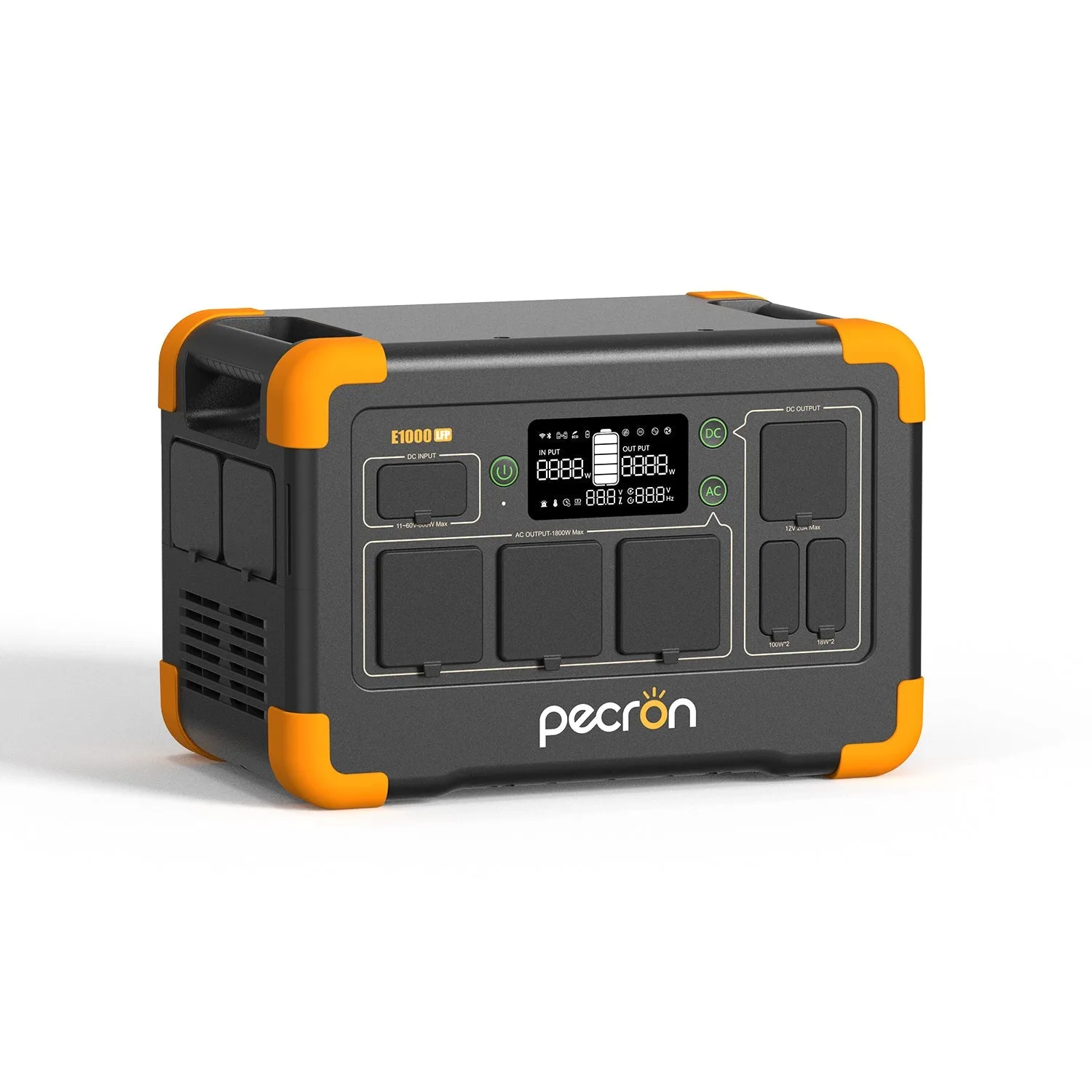
Pecron E1000LFP
1024Wh, 1800W AC output, 100W USB-C PD and MJ32 cascade expansion in a 13.5 kg body: the middle ground between the F1000LFP's portability and the E3800LFP's capacity.
Which Pecron Portable Power Station Size Do You Actually Need?
Sizing a Pecron portable power station starts with your daily watt-hour (Wh) load, not the biggest capacity you can afford. As a general guideline: weekend camping with phones and lights needs roughly 300–500Wh; adding a CPAP or mini fridge pushes that to around 1000Wh; RV living and extended off-grid use typically calls for 2000–4000Wh with a 2000W+ AC rating. The formula is daily Wh requirement × backup days ÷ usable capacity (most LFP units use an 80% usable window to protect long-term battery health).
For an RV, walk through your actual appliance list: a mini fridge might draw 400W continuously with a 1200W startup surge, a microwave draws around 1000W, and a water heater can hit 1500W. Multiply each device's wattage by daily hours of use and sum the totals. A couple running a fridge, lights and an occasional laptop often needs 6,000–8,000Wh per day. Divide that by 80% usable capacity and multiply by the number of days between charging stops; a 2-day off-grid trip at 7,000Wh/day works out to roughly 17,500Wh, which is why cascade expansion packs exist rather than one oversized unit.
Two factors get missed constantly. First, converting battery DC to AC wall power loses 10–15% to heat, so a 1000Wh unit realistically delivers 850–900Wh usable, and appliances with compressors (fridges, air conditioners) draw 2–3× their running wattage just to start, so the peak/surge rating matters more than the continuous rating. Second, cold weather cuts usable capacity by 10–20% in freezing conditions and up to 30–40% in extreme cold; if you regularly camp in winter, size up by 25–30% over your calculated need.
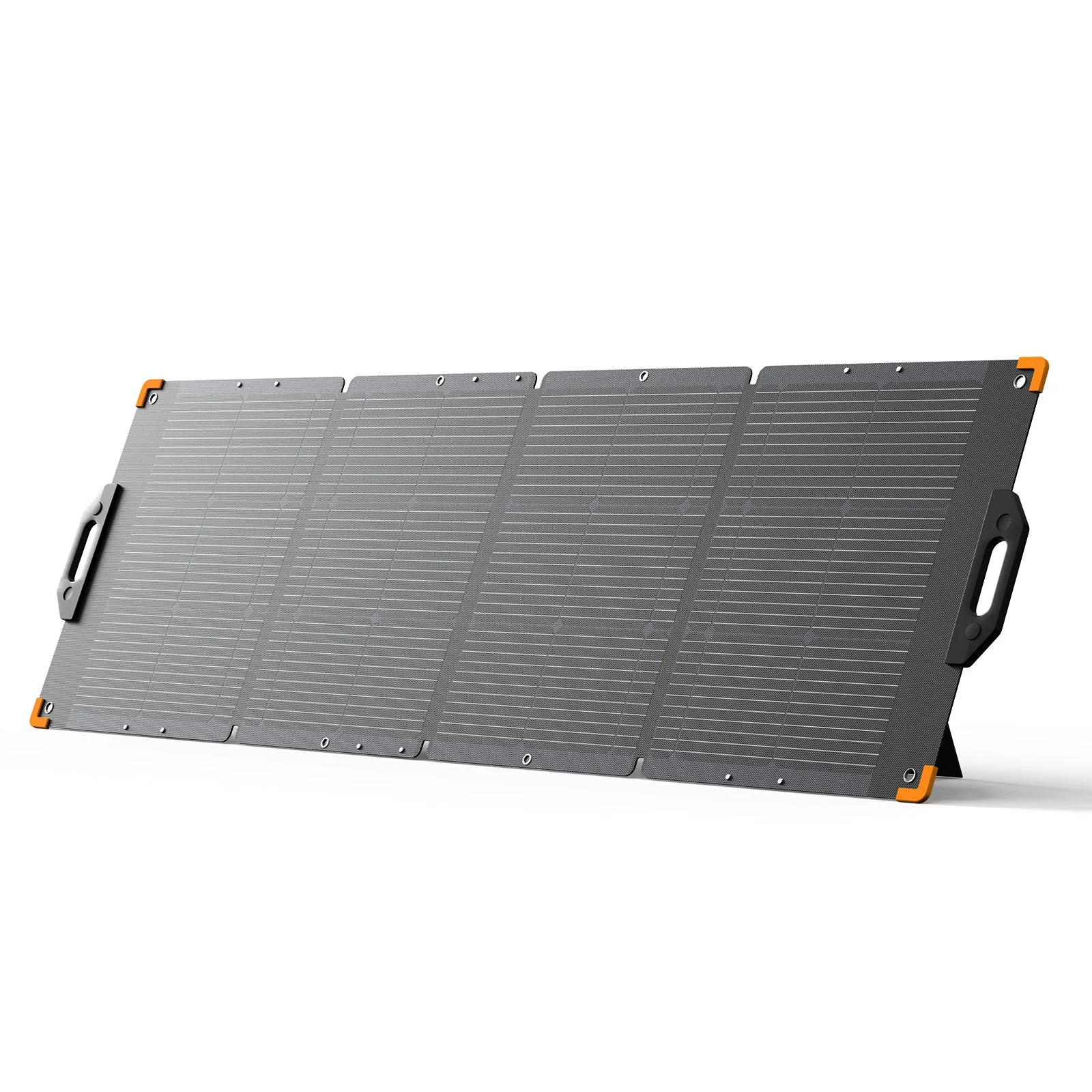
Every Pecron model with a documented solar input specifies an MPPT (Maximum Power Point Tracking) solar controller rather than the older PWM type. MPPT continuously adjusts voltage and current to the battery's charging profile, typically pulling 20–30% more usable energy out of the same solar panel than a PWM controller, with MPPT controllers themselves running at 93–99% efficiency against 65–80% for PWM. A single PV200 panel generates an estimated 1,200Wh on a sunny day, which is why most boondocking setups plan for one to two sun-hours of recharge between power station top-ups rather than relying on grid power alone.
The Pecron LFP Lineup, Model by Model
Pecron's EU catalog spans four practical tiers: an ultra-portable travel unit, a mid-range expandable, a high-surge RV/outdoor unit, and a home-backup flagship. Below are the three most relevant models for a first Pecron purchase, based on published specs.
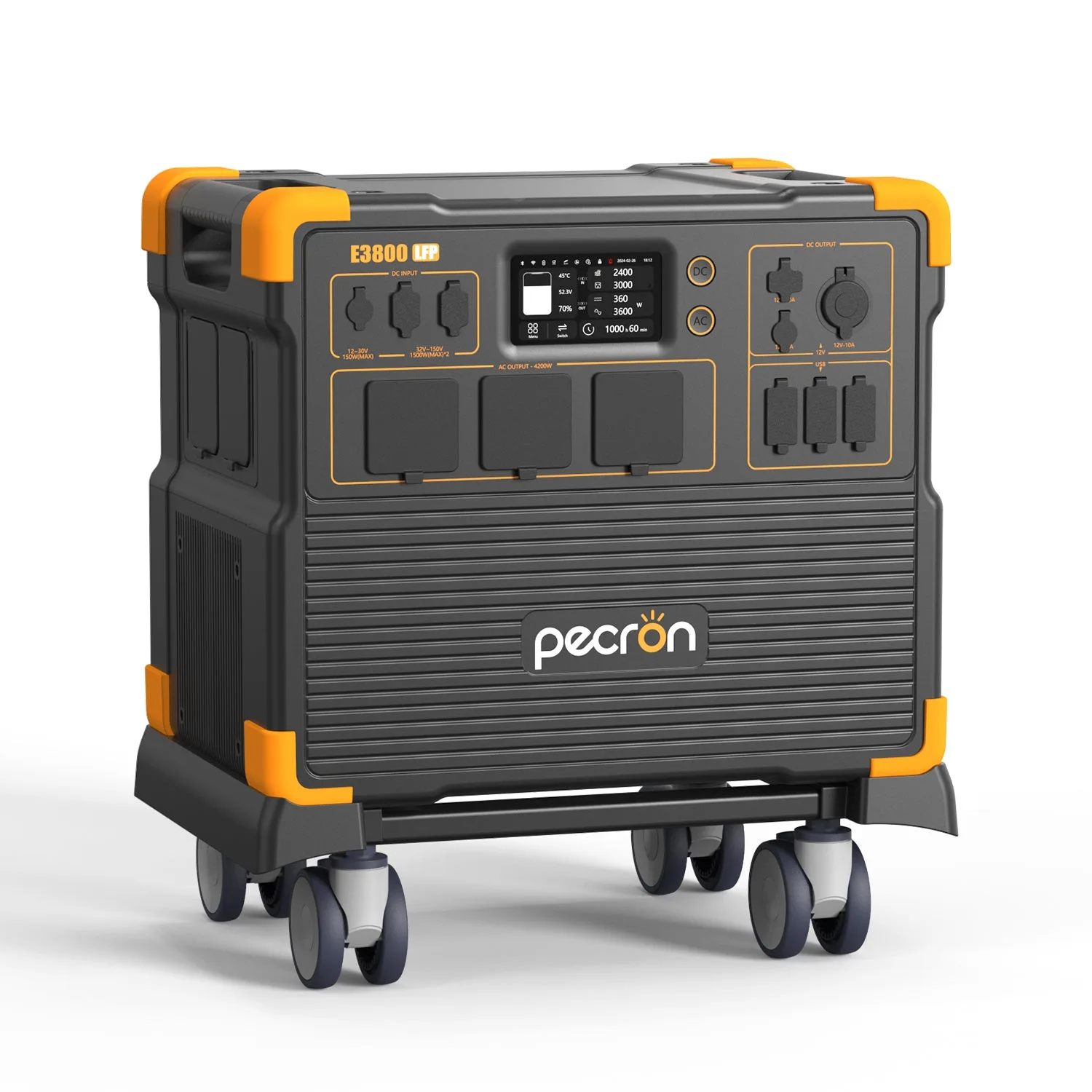
Pecron E3800LFP
What We Like
- 4200W continuous output covers most home essentials at once
- Dual MPPT solar input up to 3000W for fast off-grid recharge
- Cascade expansion path removes the need to buy a second unit later
What to Consider
- 39.6 kg: plan for a fixed spot, not daily carrying
- Overkill capacity and cost for weekend-only camping
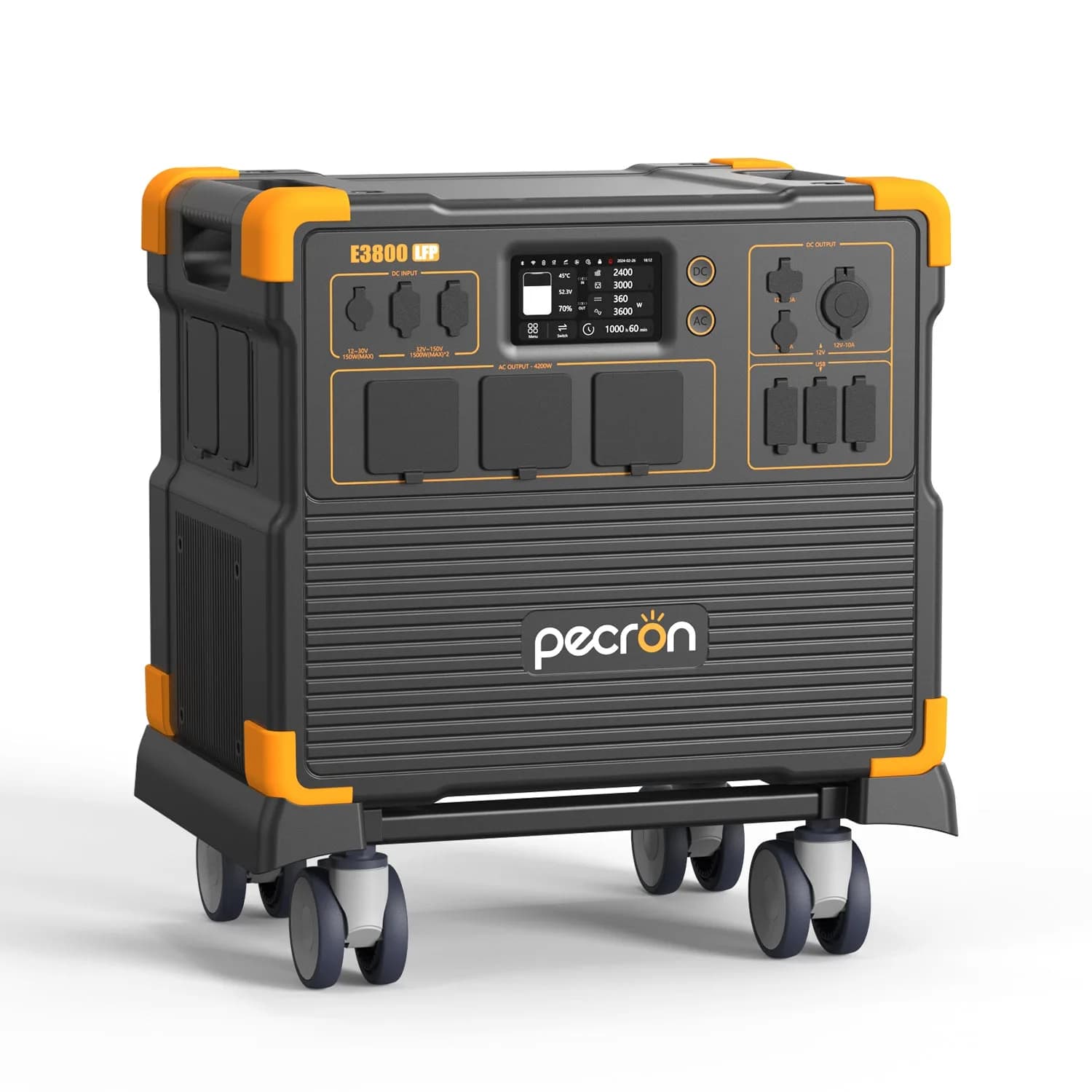
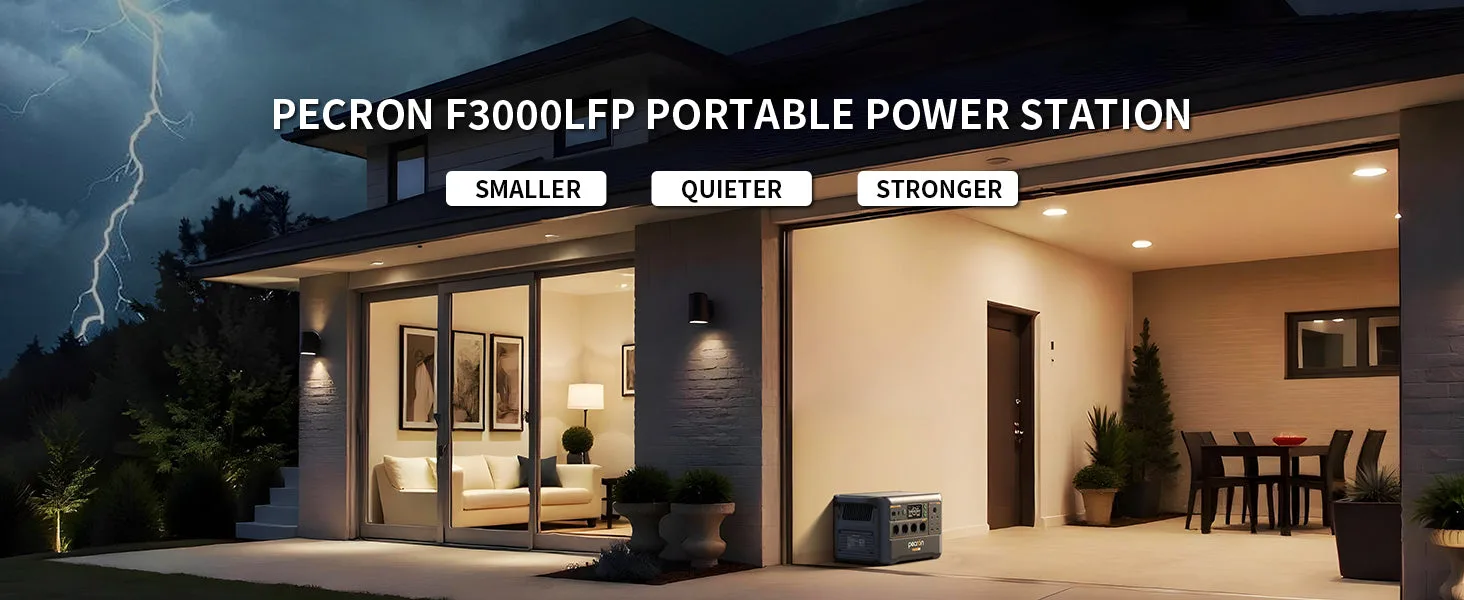
The E3800LFP is the model to buy when the goal is keeping a fridge, router, lights and a CPAP running through a multi-day outage, or powering an RV for a long off-grid stretch without rationing. Its UPS-style pass-through and dual MPPT input make it the anchor unit most cascade setups are built around.
Pecron F3000LFP
What We Like
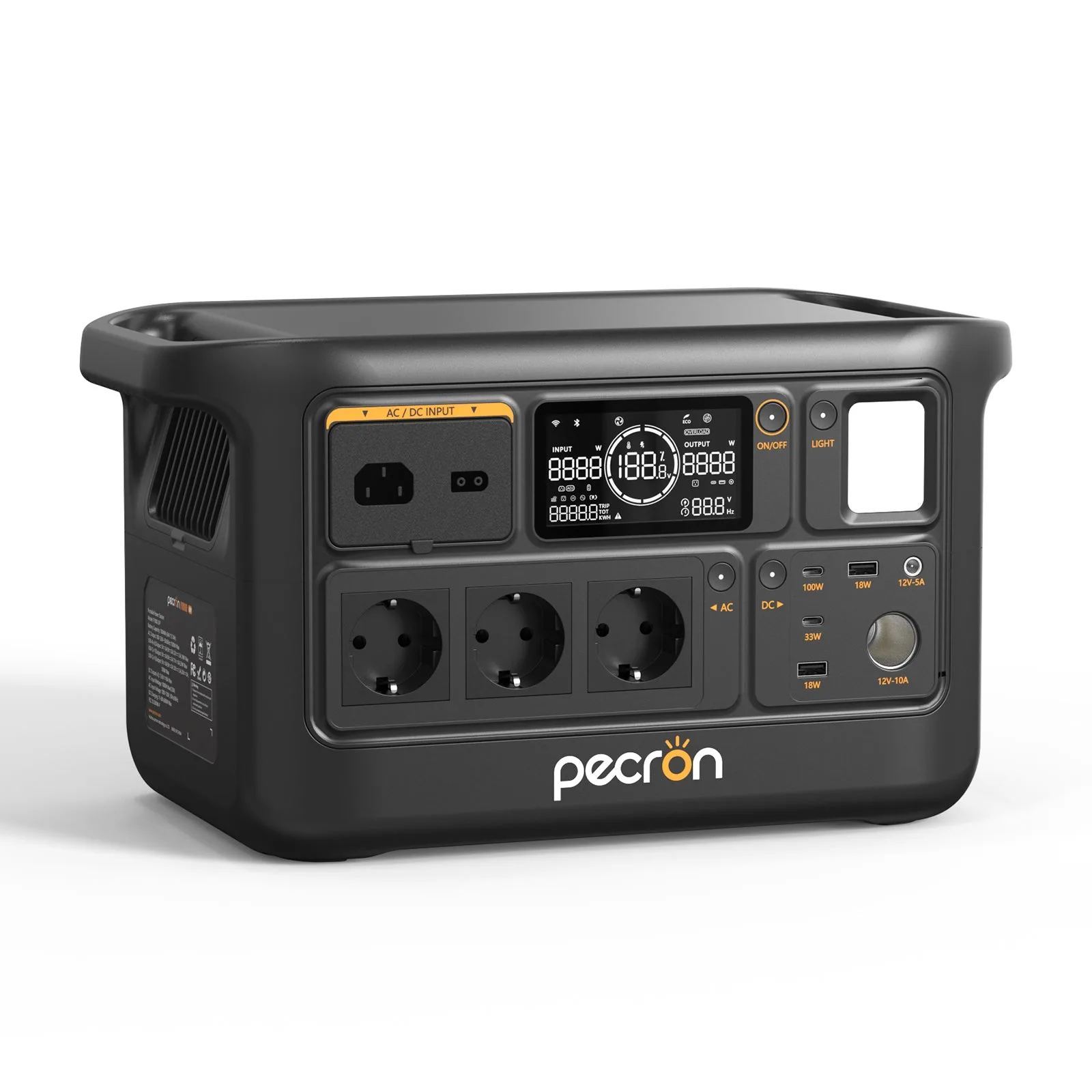
- 4500W peak surge handles a fridge compressor plus a coffee maker at once
- 11 total ports including 100W USB-C PD for laptops
- 8–20ms UPS switchover keeps sensitive electronics running
What to Consider
- Lower total capacity than the E3800LFP for the same footprint
- Still requires two people or a cart to move at 28.7 kg
The F3000LFP trades some capacity for the highest surge headroom in the lineup, which is the spec that actually determines whether your fridge or AC starts without tripping the inverter. For RVs with a compressor fridge and a microwave on the same circuit, this is the safer surge margin over the flagship.
Pecron F1000LFP
What We Like
- 10.85 kg: genuinely solo-portable
- 50-minute 0–80% AC charge, the fastest in the lineup
- 25 dB noise floor stays quiet in a campsite or shared van
What to Consider
- 960Wh runs out fast if you add a fridge for multi-day trips
- 600W solar input caps how quickly you can top up off-grid
The F1000LFP is built for travel nurses, digital nomads and weekend campers who need fast recharge and low weight more than raw capacity. It is not the model for running a household through a multi-day outage.
Compare Pecron Models Side by Side
| Model | Capacity | AC Output / Peak Surge | Weight | Best For |
|---|---|---|---|---|
| F1000LFP | 960Wh | 1500W / 3000W | 10.85 kg | Weekend camping, van travel |
| E1000LFP | 1024Wh | 1800W / — | 13.5 kg | Mid-range, expandable base unit |
| E1500LFP | 1536Wh | 2200W / — | — | Van life, weekend camping |
| E2400LFP | 2048Wh | 2400W / — | — | RV and home backup, mid-range |
| F3000LFP | 3072Wh | 3600W / 4500W | 28.7 kg | RV appliances, high surge loads |
| E3800LFP | 3840Wh | 4200W / — | 39.6 kg | Home backup, extended off-grid |
Specs sourced from the Pecron EU product catalog as of the last-reviewed date above; verify current availability before ordering.
UPS vs EPS: What Actually Keeps the Lights On
Not every "backup power" spec means the same thing. UPS (Uninterruptible Power Supply) mode provides near-instant switchover, typically under 10 milliseconds, which matters for sensitive electronics like routers, servers, or medical equipment that can't tolerate any interruption. EPS (Emergency Power Supply) mode is designed for a slightly longer 20–30 millisecond delay, acceptable for less sensitive loads. Most quality portable power stations with UPS capability land in the 10–20ms range, fast enough that lights, routers, refrigerators and TVs keep running through a grid outage without a visible blip.
To set up home backup, mount the unit near your electrical panel or in a central spot and plug essential devices directly into its AC outlets. Never wire a portable power station directly into your home's main panel without a licensed electrician and proper surge protection. With UPS mode enabled, the unit runs connected devices from wall power while simultaneously trickle-charging its own battery; when the grid fails, it switches to battery automatically. A Pecron F3000LFP (3072Wh) powering a 300W continuous load (fridge, lights, router) delivers roughly 10 hours of runtime at 80% usable capacity, while the larger E3800LFP (3840Wh) stretches to 13–15 hours under a similar load.
Can a Pecron Power an Air Conditioner?
Honestly, mostly no. Standard window or portable air conditioners need 3,000–5,000W of peak surge power, which exceeds most Pecron models. A small 5,000-BTU portable AC unit (roughly 1,200–1,500W running, ~2,500W surge) can start on the larger F3000LFP (4500W peak) or E3800LFP, but even then, continuous AC operation drains a large battery fast. An 8-hour run at 1,500W needs about 12,000Wh, the equivalent of three fully charged F3000LFP units. Camping-grade 12V or van-conversion AC units (typically 600–1000W) are a far more realistic match. If cooling is the priority, plan on portable fans or a small evaporative cooler rather than a compressor-based AC.
Off-grid trips rarely stop at power. If you're also planning water for a multi-day stay, our guide to off-grid portable watermakers covers 12V DC systems sized to run comfortably on the same solar-plus-battery setup. And for keeping food and drinks cold through an extended outage or camping trip, see our Blue Coolers review for roto-molded options that don't depend on the power station at all.
What to Check Before You Buy
Capacity vs. real daily load
Don't buy on the Wh number alone. List every appliance you'll actually run, multiply wattage by daily hours, and size to that total, not to "the biggest one in the lineup." Undersizing means daily rationing; oversizing means paying for and hauling capacity you rarely touch.
Surge (peak) wattage, not just continuous wattage
Compressor-based appliances (fridges, air conditioners) need 2–3× their running wattage just to start. Check the peak wattage spec against your single largest appliance's startup draw, not its steady-state number.
Charging speed and solar compatibility
All current Pecron models charge via MPPT solar input, which extracts 20–30% more usable energy from a given panel than an older PWM controller. If you'll rely on solar for multi-day off-grid stretches, match panel wattage (like the PV200) to your daily recharge target, not just to what fits your budget.
Weight and where it will actually live
A 39.6 kg flagship makes sense bolted into an RV bay or a fixed home spot; it's a poor fit if you need to carry it in and out of a tent every weekend. Match weight to how often the unit actually moves.
Warranty and expansion path
Pecron's LFP models carry 5-year combined coverage (manufacturer plus extended) across the lineup, and every unit uses the same MJ32 cascade port, so buying a smaller base unit today doesn't lock you out of adding capacity later.
How We Chose
We compared every current Pecron EU LFP model against its published capacity, AC/surge output, charging speed, weight and warranty terms, then cross-referenced general LFP cycle-life, inverter-efficiency and MPPT-vs-PWM data from independent power-station and solar-charging sources to confirm the manufacturer specs against category norms.
Common Sizing Mistakes (and How to Avoid Them)
- Buying on Wh alone, ignoring surge: a high-capacity unit with a low peak-wattage rating still trips on fridge or AC startup. Check peak watts against your largest appliance's surge draw before capacity.
- Skipping the cold-weather derate: freezing temperatures cut usable capacity by 10–20%, and extreme cold by up to 30–40%. Size up 25–30% if you regularly camp or backup power in winter.
- Assuming any solar panel works the same: pairing a PWM-controller panel with an MPPT-ready unit leaves 20–30% of available solar energy uncaptured: use a matched panel like the PV200.
- Wiring straight into a home panel: plug essentials into the unit's own outlets instead; a direct panel tie-in needs a licensed electrician and dedicated transfer hardware.
- Expecting a power station to run central AC: a compressor-based air conditioner needs 3,000–5,000W surge: well beyond most portable units; plan for fans or small evaporative coolers instead.
The Bottom Line
For most buyers weighing home backup against RV or camping use, the Pecron E3800LFP is the safest all-around pick. 3840Wh, 4200W output and a cascade path to 22.27 kWh cover the widest range of scenarios. If your priority is surge headroom for RV appliances, step down to the F3000LFP; if it's weight and charge speed for weekend trips, the F1000LFP is the better match.
See the Full Pecron LineupReferences
More Home & Outdoor Gear guides
 Jackery Power Stations: Best 2026 Sizing Guide for Outages, RVs
 Space-Saving Home Gym Equipment: 5 Best Compact Picks (2026)
 Selk'bag SWYTCH Review 2026: Best Wearable Sleeping Bag?
 Wuben Flashlight Guide 2026: EDC, Tactical & Spotlight Models
 Jakiper Battery Guide: 6 LiFePO4 Systems Compared (2026)
 Crown Shades Canopy Guide 2026: Best Pop-Up Models Compared