Veefa E-Bike Review: 500 Miles Later — Is This $800 Bike Actually Worth It?
Honest Veefa electric bike review after 500 miles on the F1 folding e-bike. Real range, motor, brakes, and whether this $599–$799 bike is worth buying in 2026.
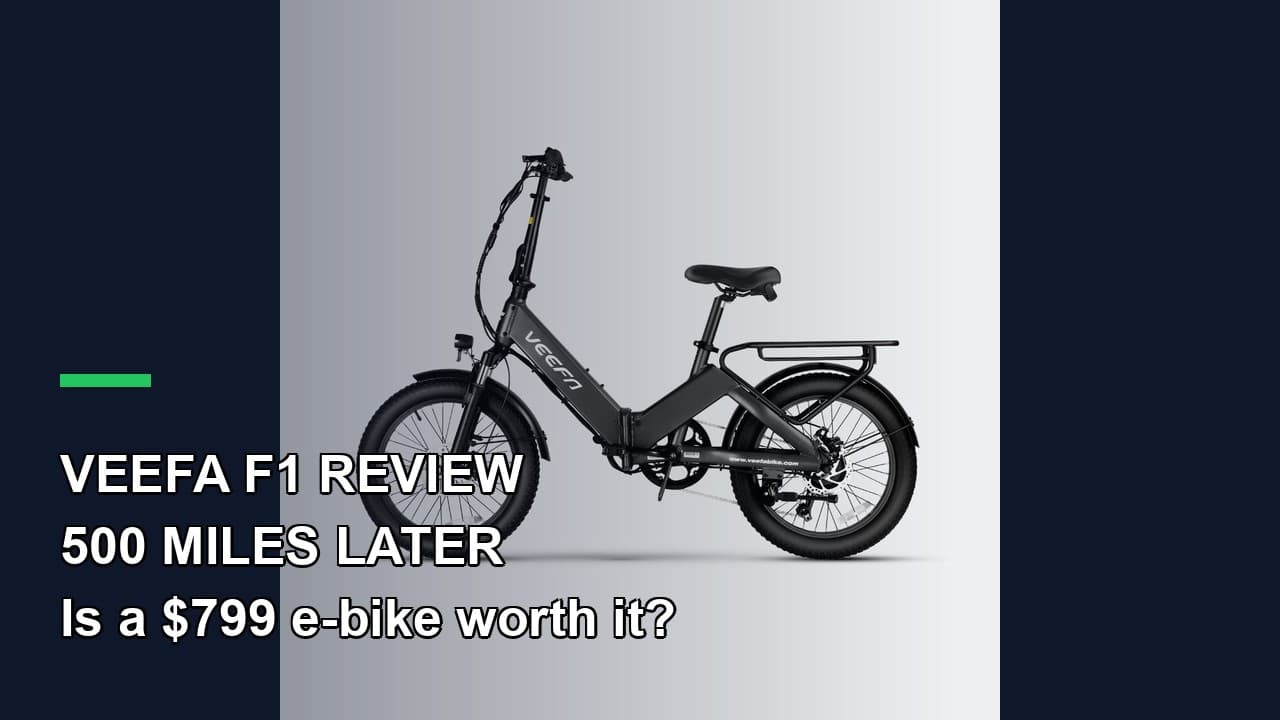
What the Veefa F1 Is — and Who It’s For
This Veefa electric bike review is not a spec-sheet rewrite. We bought the Veefa F1 folding e-bike, rode it past 500 miles over two months of commuting, grocery runs, and hill climbs, and tracked what held up and what we’d change. The short version: for a bike that sells for $599 (regular $799), the F1 punches well above its price — but there are two real caveats worth knowing before you buy. Below is the full breakdown of range, power, brakes, build quality, and whether this is the budget e-bike to actually spend money on.
If you’re cross-shopping the whole category first, start with our roundup of the best budget electric bikes of 2026, then come back here for the deep dive on this specific model.
What the Veefa F1 Is — and Who It’s For
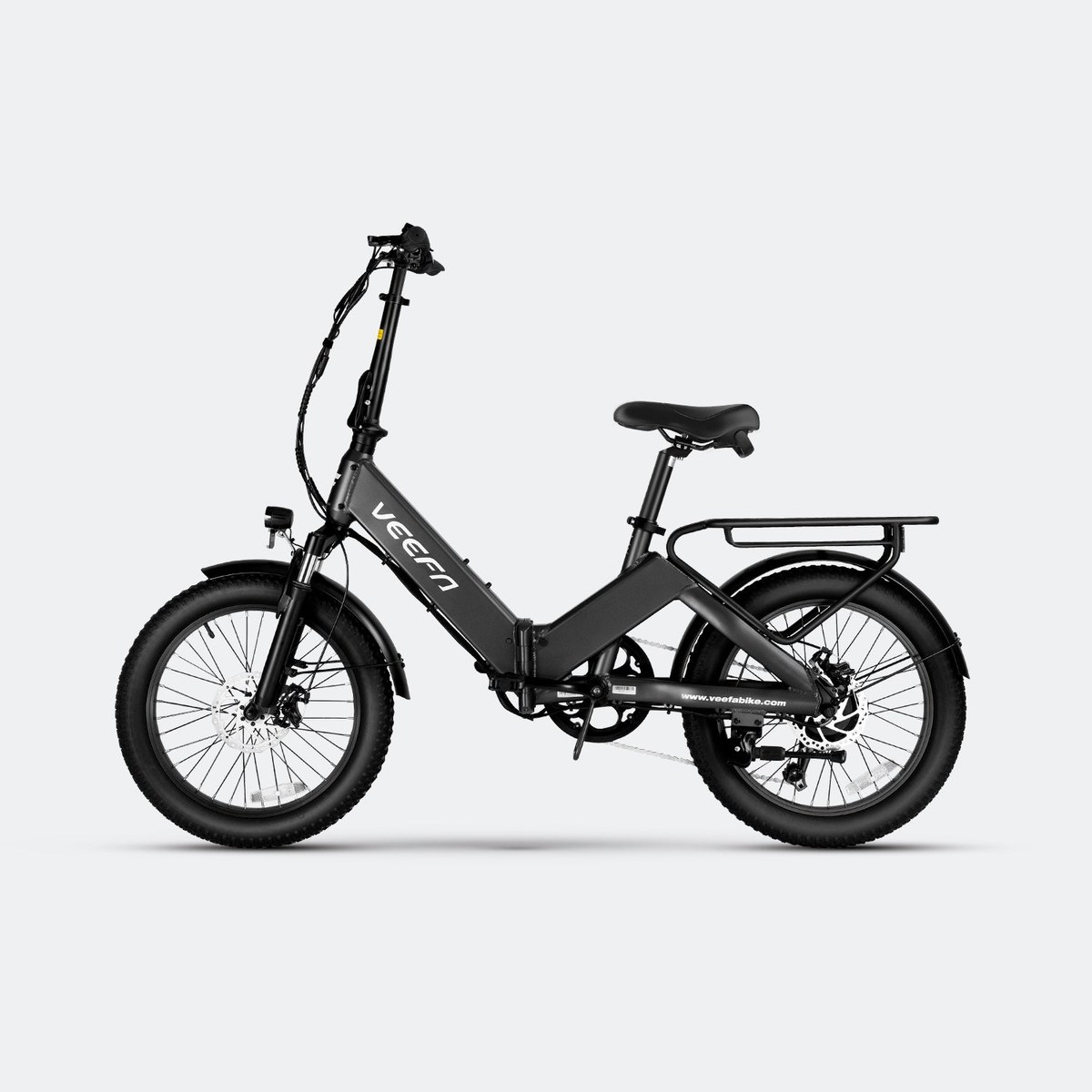
The F1 is a 20-inch folding electric bike. It’s built for the rider who is short on storage space and patience: apartment dwellers, RV and boat owners, multimodal commuters who carry the bike onto a train, and anyone who wants an e-bike that disappears into a closet. It folds to roughly 35″ × 15″ × 28″ and weighs 57 lbs, so it’s portable in the “carry it up one flight” sense, not the “jog with it” sense.
Out of the box it arrives about 85% assembled. We had it rideable in under 30 minutes with the included tools — attach the pedals, straighten and tighten the handlebar, charge the battery, and go. Nothing about the process required bike-shop experience.
Here are the headline specs we verified on our unit:
- Motor: 500W nominal, 750W peak
- Battery: 48V 10.4Ah (499Wh), removable, lockable
- Top speed: 20 mph (Class 2, throttle + pedal assist)
- Rated range: 30–40 miles
- Tires: 20″ × 3″ (semi-fat)
- Drivetrain: Shimano 7-speed
- Brakes: 160mm mechanical disc, front and rear, with motor cut-off
- Max load: 297 lbs
- PAS: 5 levels
- Charge time: ~6 hours (48V 2A charger)
Range: What 499Wh Actually Delivers
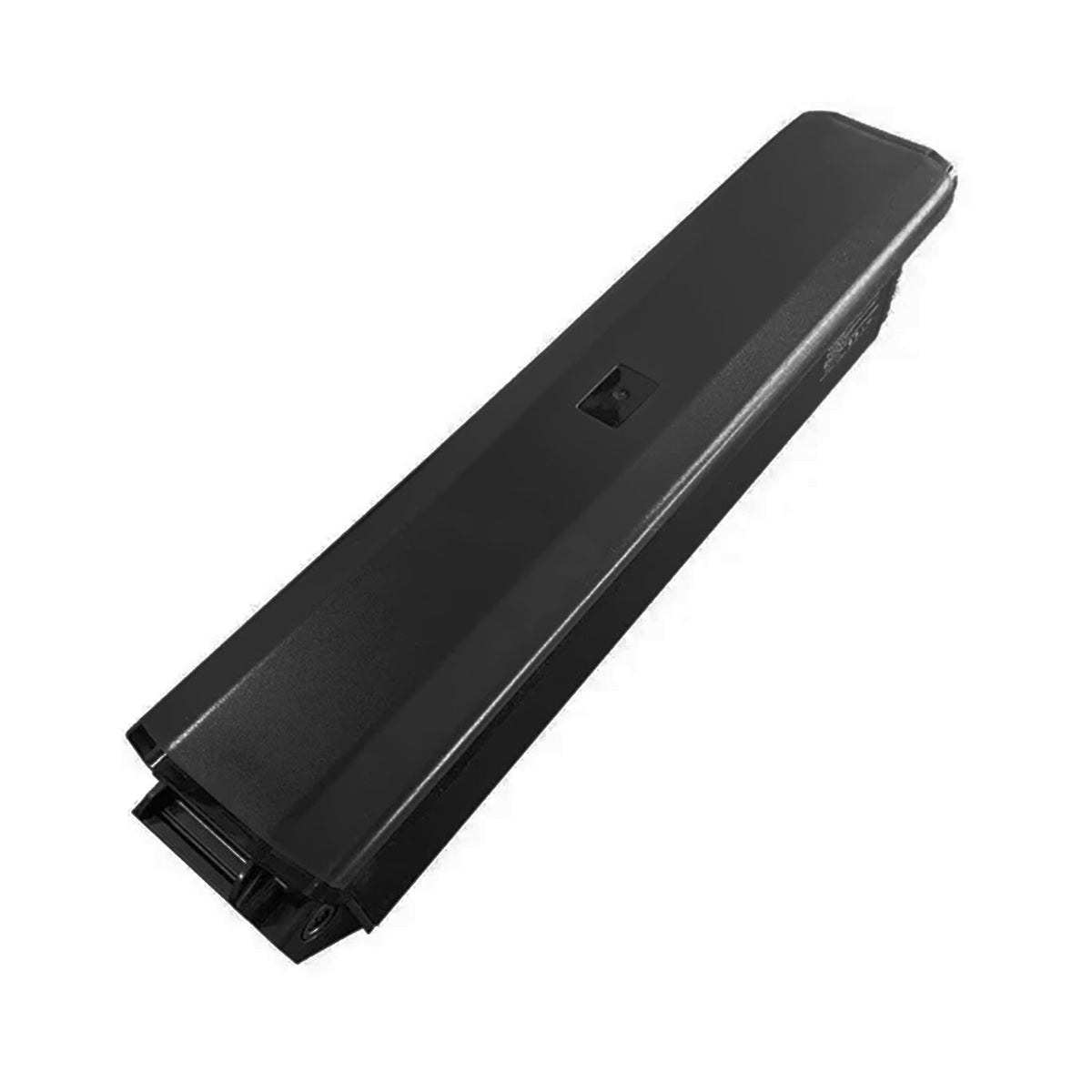
The number that matters most in any Veefa electric bike review is real range, because advertised range and lived range are rarely the same. Veefa rates the F1 at 30–40 miles. Over 500 miles of mixed riding — moderate hills, a 200 lb rider, PAS levels 2–3, and regular throttle use from stops — we averaged 24–28 miles per charge.
That’s normal. Manufacturer range figures across the entire industry are measured on the lowest assist level, on flat ground, with a light rider and no throttle. Our real-world result lands right at the expected 60–75% of rated max. If you ride mostly on flat bike lanes, stay in PAS 1–2, and pedal more than you throttle, hitting the mid-30s is realistic. The 499Wh pack recharges fully in about six hours, and because it’s removable, we charged it at a desk indoors rather than dragging the whole bike to an outlet — a bigger quality-of-life win than it sounds.
Power and Hills: The 500W Motor Tested
The 500W nominal motor (750W peak) is the part that surprised us most for the price. On flat ground it pulls to 20 mph quickly and holds it without drama. The real test was a sustained ~8% grade on our commute: at PAS 4 with light pedaling, the F1 held 11–13 mph up the hill without the motor bogging or overheating. A heavier rider or a 12%+ grade will want to drop to a lower gear and pedal more, but for everyday urban hills this is plenty of torque.
The throttle is responsive from a standstill, which matters at intersections — you can clear a junction without fumbling for assist. The Shimano 7-speed drivetrain gives enough gear range to pedal comfortably both with assist off (yes, it rides fine as a regular, if heavy, bike) and to keep cadence at speed.
Build Quality and Brakes After 500 Miles
This is where we look for the cracks budget bikes usually show. After 500 miles:
- Brakes: The 160mm mechanical disc brakes front and rear are confident and consistent. They needed one cable tension adjustment around mile 300 — normal break-in, five minutes with an Allen key. The motor cut-off (power dies the instant you pull either lever) worked every time.
- Folding hinge: Still tight, no play developed. The frame latch is solid and we never felt frame flex at speed.
- Tires: The 20″ × 3″ semi-fat tires are the unsung hero — they soak up potholes and curb edges that would rattle a skinny-tire folder, and we had zero flats.
- Display & electronics: The LCD stayed readable and accurate; no error codes, no connector failures.
- Finish: A couple of minor paint chips on the folding joint from carrying it. Cosmetic only.
Nothing structural failed. For a sub-$800 bike, that’s the result that matters.
The Two Real Caveats
An honest Veefa electric bike review has to name the downsides:
- It’s 57 lbs. “Folding” and “lightweight” are not the same thing. The F1 folds small, but you’ll feel it carrying it up stairs. If you live in a no-elevator fifth-floor walk-up, factor that in.
- Mechanical (not hydraulic) disc brakes. They work well and they’re easy to service yourself, but they need occasional cable adjustment and they don’t have the one-finger feather of hydraulics. At this price, it’s a fair trade — just know it’s a maintenance touchpoint.
Neither is a dealbreaker for the target rider. Both are the kind of honest compromise that lets the bike hit $599 instead of $1,200.
How the F1 Compares to Other Budget Folders
We’ve ridden enough folding e-bikes to put the F1 in context. Against the most-cross-shopped budget folders, three things stand out. First, the semi-fat 20″ × 3″ tires — most budget folders use skinny 20″ × 1.95″ tires that transmit every crack in the pavement, while the F1’s wider rubber genuinely smooths the ride and resists pinch flats. Second, the 499Wh removable battery matches or beats packs on bikes costing $300–$500 more; many sub-$700 folders still ship 36V or sealed batteries. Third, the 2-year warranty plus an in-stock parts catalog is rare at this price — a lot of cheap folders are effectively unrepairable once a controller or display fails.
Where competitors edge ahead: some pricier folders offer hydraulic brakes, integrated lighting wired to the main battery, or lighter sub-50 lb frames. If those features are priorities and you have the budget, they’re worth considering. But none of them change what the F1 does on the road, and none justify nearly doubling the price for the average commuter. On a pure dollars-per-capability basis, the F1 is hard to beat. If you want the broader field, our best budget electric bikes of 2026 guide lines them all up.
Veefa Electric Bike Review: Is the F1 Worth It?
For the rider it’s designed for — someone who needs a compact, storable, genuinely capable commuter and doesn’t want to spend four figures — yes, the F1 is worth it. You’re getting a 48V 499Wh removable battery, a 500W motor that climbs real hills, dual disc brakes, a Shimano drivetrain, and a 2-year warranty with free shipping, for $599–$799. Comparable folding e-bikes from name brands cost $400–$900 more for a nearly identical spec sheet.
It is not the bike for someone who wants featherweight portability or hydraulic brakes and is willing to pay for them. For everyone else hunting value, it’s one of the strongest cases in the budget category. Check the current Veefa F1 price and availability here. If you’re still deciding between the F1 and the longer-range M2 city bike, our guide on how to buy an electric bike covers exactly how to match a model to your ride.
Frequently Asked Questions
Is the Veefa F1 a good electric bike?
Yes. After 500 miles of testing, the Veefa F1 proved to be a capable, reliable folding e-bike with a 500W motor, 48V 499Wh removable battery, dual disc brakes, and real hill-climbing ability — strong value at its $599–$799 price.
What is the real range of the Veefa F1?
Veefa rates the F1 at 30–40 miles. In real-world testing with hills, throttle use, and a 200 lb rider on mid-level assist, we averaged 24–28 miles per charge — about 60–75% of the rated maximum, which is normal for the industry.
How fast does the Veefa F1 go?
The Veefa F1 tops out at 20 mph as a Class 2 e-bike, using either pedal assist (5 levels) or the thumb throttle. It reaches and holds 20 mph easily on flat ground.
Does the Veefa F1 have a warranty?
Yes. Veefa includes a 2-year warranty, free shipping to the lower 48 states, and a 14-day return window, plus an in-stock catalog of replacement parts (tires, batteries, controllers, displays).
Is the Veefa F1 hard to assemble?
No. It arrives about 85% pre-assembled. Attaching the pedals, adjusting the handlebar, and charging the battery took us under 30 minutes with the included tools — no bike-shop experience needed.
Bottom line: this Veefa electric bike review lands on a clear recommendation. The F1 is a budget folding e-bike that doesn’t ride like a budget bike, and after 500 miles it earned its keep. See the full Veefa lineup and current pricing here.
#ad · This post contains affiliate links. We may earn a commission at no extra cost to you.
More E-Bikes & Scooters guides
 ONECNA GT7 Review 2026: Specs, Range and Real Repairability
 Tuttio Electric Bike Guide: 4 Models Compared Safely (2026)
 NIU Electric Scooter vs E-Bike: Best Model Guide (2026)
 A-Spadz CAVET Review: Moped-Style Electric Bike
 A-Spadz CAVET Buying Guide: 3 Models Compared for 2026
 Off-Road Electric Scooter: 6 Best Buying Criteria (2026 Guide)