Varla Electric Scooters: The Dual-Motor Brand Guide for 2026
Varla electric scooters are built around dual-motor technology, all-terrain durability and direct-to-consumer pricing. Here is the full brand breakdown: model lineup, safety features, warranty coverage and how to pick the right one.
What is Varla Scooter?
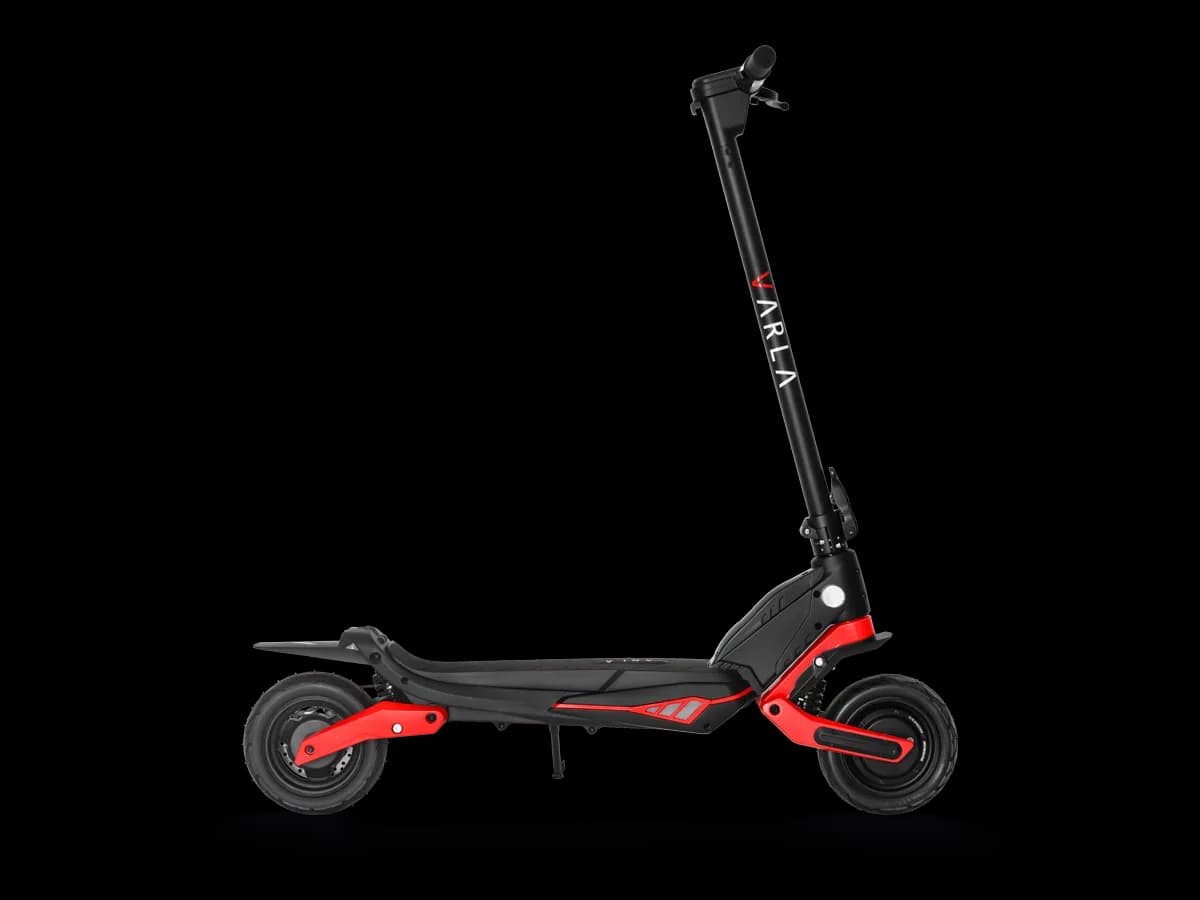
Varla electric scooters are built around one idea: two motors are safer and more capable than one. Since launching from Walnut, California, Varla has grown a lineup of all-terrain and commuter models around proprietary dual-motor technology, backed by direct-to-consumer pricing and multi-year component warranties.
Varla makes dual-motor, all-terrain electric scooters for riders who want more power and stability than a single-motor budget scooter can offer.
Varla's lineup spans a budget single-motor commuter (Falcon) up to a 45+ mph all-terrain flagship (Eagle One PRO). All models share the same design philosophy (dual hydraulic or mechanical brakes, IP54 water resistance, and lithium-ion batteries built on 21700 or 18650 cell chemistry) so the real decision is how much power, range, and weight fits your riding style.
What you'll learn in this guide
- What makes Varla's dual-motor design different from single-motor scooters
- Specs and use cases for all four current Varla models
- The safety features (brakes, suspension, water resistance) built into the lineup
- How Varla's warranty and customer support actually work
- Which model fits your riding style, terrain, and budget
What is Varla Scooter?
Varla Scooter is an electric mobility manufacturer that specializes in high-performance, dual-motor electric scooters and electric dirt bikes, positioning its brand around four pillars: speed, safety, smoothness, and style across all-terrain, urban-commuter, and off-road vehicle categories. The company is headquartered in Walnut, California, and sells direct-to-consumer with free shipping to the lower 48 US states, cutting out the retail markup that traditional scooter brands carry.
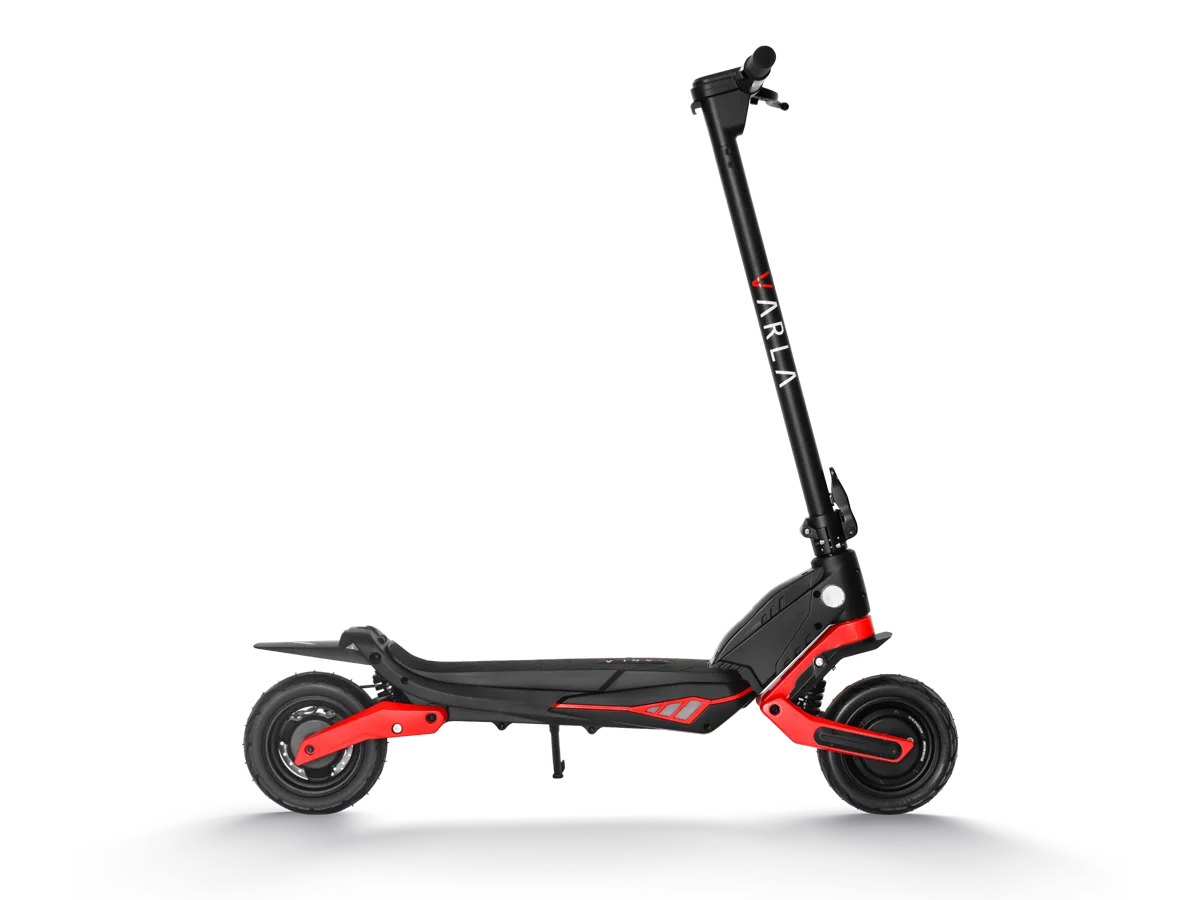
Varla leans heavily on proprietary dual-motor technology as its core competitive advantage, arguing it delivers stronger acceleration and hill-climbing capability than single-motor alternatives. The brand has also picked up coverage from outlets including CleanTechnica, CNET, Electrek, and Forbes, which is one signal, among several, that it's an established name rather than a no-name import.
How dual-motor technology works
A single-motor scooter drives one wheel; a dual-motor scooter, the design used across most of the Varla electric scooters lineup, drives both wheels independently. In practice this means power is split evenly front and rear, which typically improves traction on loose surfaces, reduces wheel spin under hard acceleration, and gives the motor system more combined torque for climbing hills without overheating a single unit.
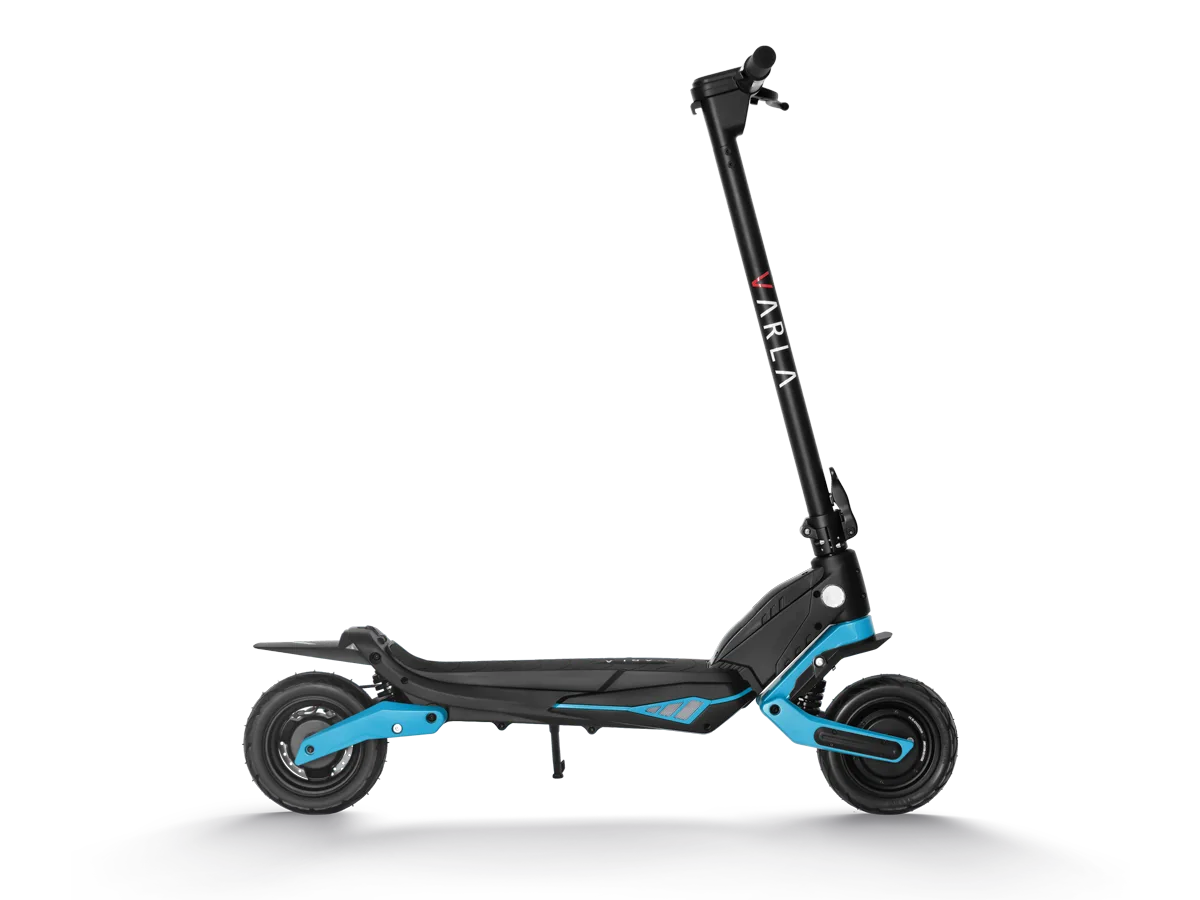
The trade-off is weight and cost: dual-motor systems add a second motor, thicker wiring, and typically a larger battery to feed both units, which is why Varla's dual-motor models (Eagle One PRO, Eagle One V3.0, Pegasus) weigh more than its single-motor Falcon. For riders who mostly stick to flat, paved commutes, the extra power of a second motor may go largely unused, which is exactly why Varla still sells a single-motor option.
The Varla scooter model lineup
Varla currently sells four core electric scooter models, ranging from an entry-level single-motor commuter to a 45+ mph all-terrain flagship. The table below summarizes the key specs from each model's official product page.
| Model | Motor | Top speed | Range | Weight |
|---|---|---|---|---|
| Eagle One PRO | 2000W (1000W×2 dual) | 45+ mph | Up to 60 miles | 90 lbs |
| Eagle One V3.0 | 2400W (1200W×2 dual) | 35 mph | Up to 50 miles | 82 lbs |
| Pegasus | 1000W (500W×2 dual) | 28+ mph | 28+ miles | 66 lbs |
| Falcon | 500W single motor | 22 mph | 25 miles | 50 lbs |
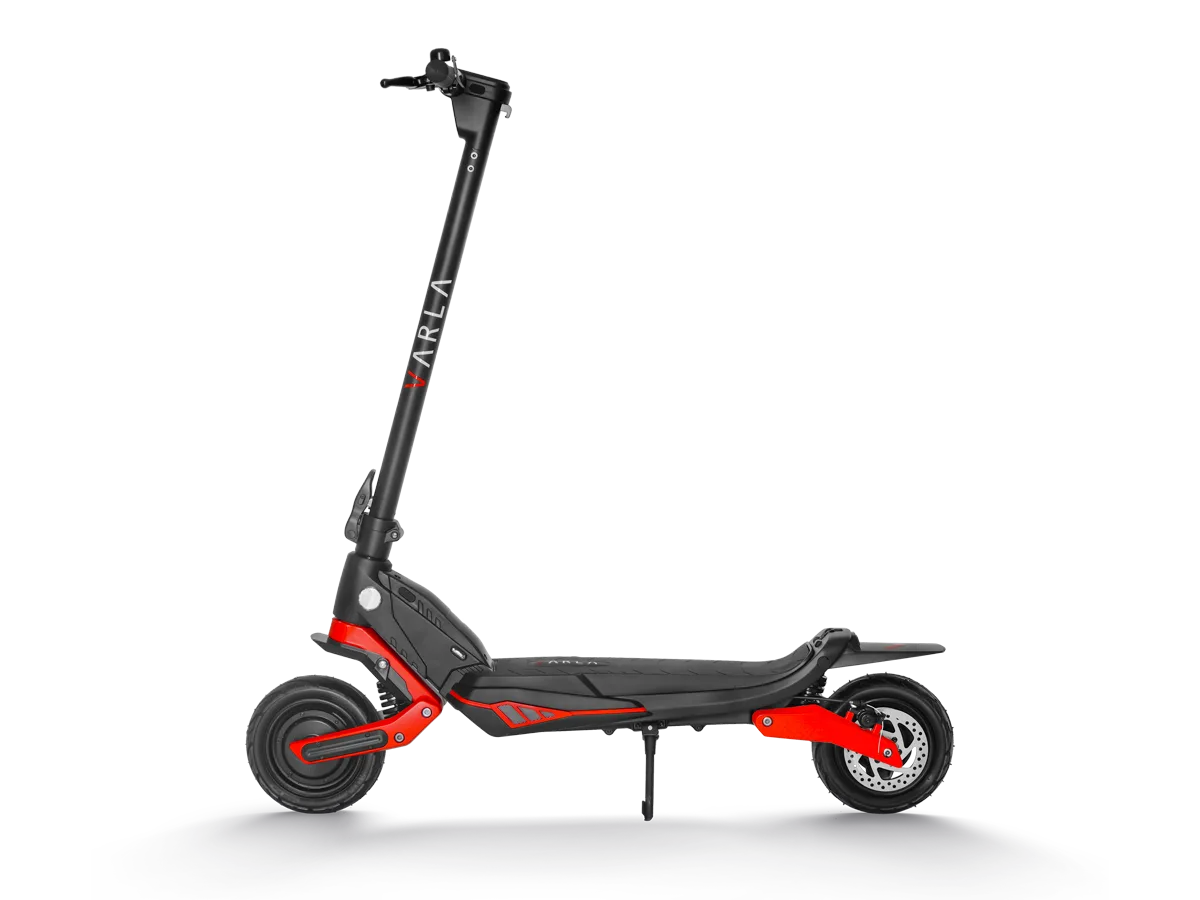
The Eagle One PRO is Varla's flagship all-terrain scooter, built around dual 1000W hub motors (2000W combined, 40 N·m torque) on a 60V/27Ah battery using 21700 lithium cells (1620Wh total), with dual chargers cutting charge time to 6–7 hours and a claimed climbing ability of 35+ degree slopes. It rides on 11-inch tubeless air tires with a 330 lb max payload (265 lbs recommended), making it the model built for riders who want the most power and range in the lineup.
The Eagle One V3.0 sits just below it, with dual 1200W motors (2400W combined nominal, 3200W peak, 36 N·m torque) on a 52V/26Ah LG 21700 battery (1352Wh) rated for over 1000 charge cycles, plus independent front/rear suspension and 10×3.5-inch tubeless tires. It is a step down in top speed from the PRO but keeps most of the same braking and safety hardware at a lighter overall weight.
The Pegasus is Varla's mid-range commuter, using dual 500W motors (1000W combined nominal, 1920W peak) on a 48V/15.6Ah battery (748Wh), with 9-inch puncture-proof tires and a 9.2-foot emergency stop distance from its dual mechanical disc brakes. It is built for riders who want dual-motor traction without the size or weight of the Eagle One series.
The Falcon is Varla's entry point: a single 500W hub motor (700W peak) on a 48V/10.4Ah battery built from 52 18650 cells, weighing just 50 lbs and folding for portability. It trades top speed and climbing power for a lighter, more affordable commuter build.
Safety features across the Varla electric scooters lineup
Every current Varla model shares a common safety baseline, even though the hardware scales up with the model tier. The three dual-motor models (Eagle One PRO, Eagle One V3.0, Pegasus) use dual braking systems, while all four models carry an IP54 water-resistance rating and dual spring suspension for shock absorption on uneven pavement.
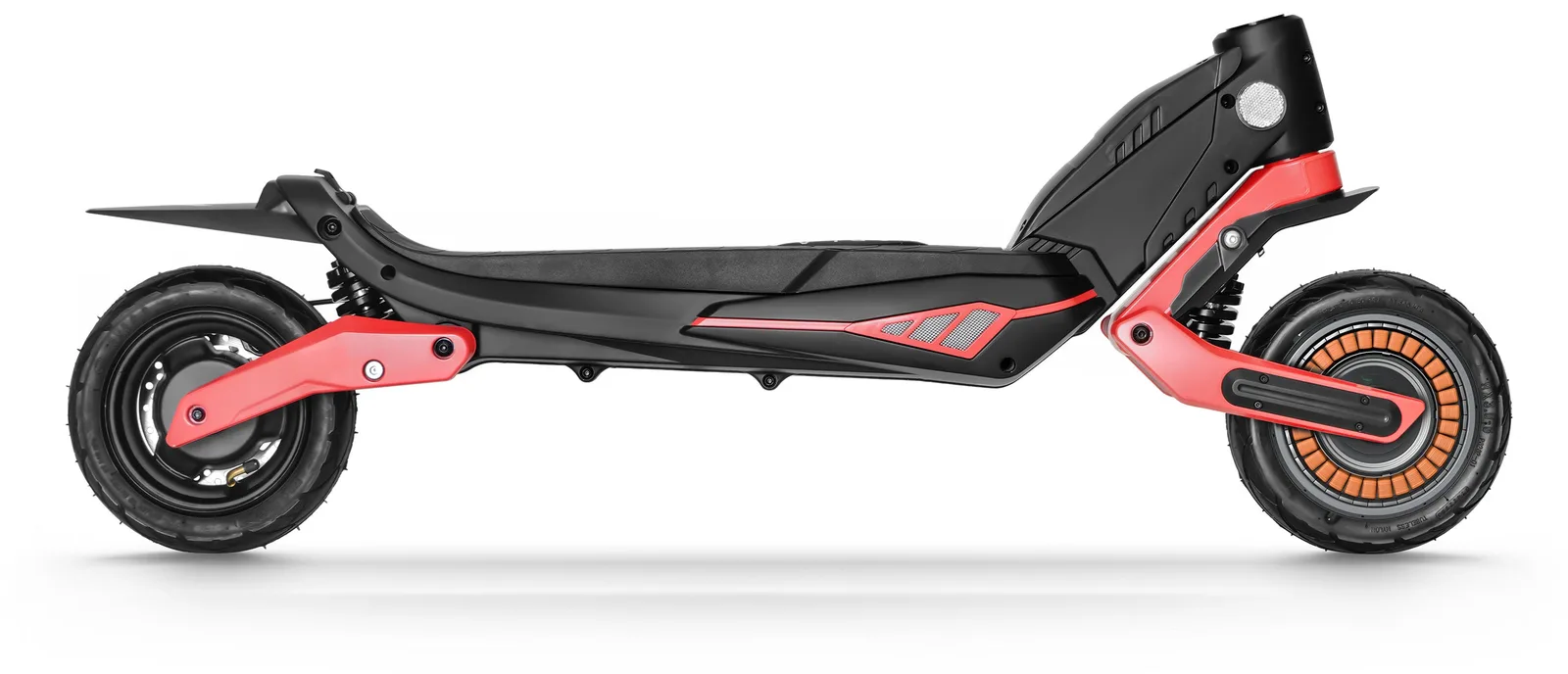
- Braking: the Eagle One PRO and V3.0 use dual hydraulic disc brakes with ABS (160mm discs on the V3.0), while the Pegasus uses dual mechanical disc brakes (120mm) and the Falcon relies on a single motor-assisted braking system.
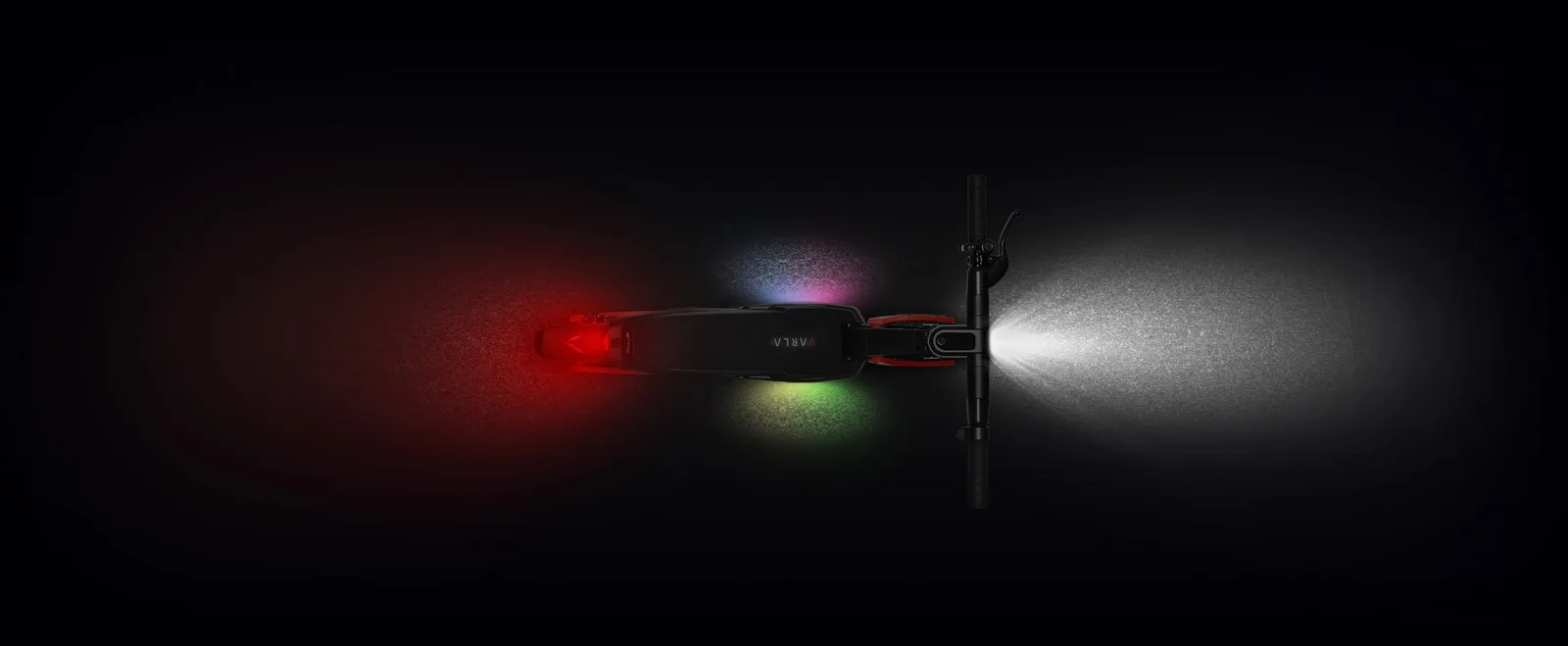
- Lighting: the Pegasus and Falcon both add dual LED headlight/taillight setups, with the Falcon's dual headlights offering three ambient lighting modes (breathing, flash, streamer) for visibility.
- Battery protection: Varla batteries include low-voltage protection, overcharge protection, short-circuit protection, and temperature monitoring to guard against common lithium-ion failure modes.
- Security: the Eagle One PRO and V3.0 include an NFC card lock system, an unusual touch at this price tier.
None of this replaces basic rider precautions: a helmet, following local e-scooter regulations, and respecting the manufacturer's stated payload limits still matter more than any single spec.
Warranty and customer support
Varla backs its lineup with tiered component warranties rather than one blanket policy. Premium models (Eagle One PRO, Eagle One V3.0, Pegasus) carry 24-month coverage on the throttle, controller, frame, and display, with 12-month coverage on the motor, battery, and charger. Wear items like inner tubes, brake pads, and fenders carry a much shorter 1-month or 100km limited warranty, which is standard across the e-scooter industry.
The Falcon carries slightly shorter terms: 12-month coverage on the controller, frame, motor, battery, and charger, with 3-month coverage on the kickstand and fenders. Across the whole lineup, lithium batteries carry a 12-month limited warranty against manufacturing defects, with a typical service life of 3–4 years when properly maintained. Filing a claim requires proof of purchase, photos or video of the damage, and the order and serial numbers, with shipping-damage claims needing to be reported within 72 hours of delivery.
Support is handled directly by Varla rather than through a third-party retailer: customer service is reachable daily from 11am to 7pm Pacific time, with active presence on Facebook, Instagram, X, YouTube, TikTok, Discord, and WhatsApp for follow-up questions.
Choosing the right Varla model
The right Varla electric scooter comes down to three questions: how far you need to ride, how much terrain variety you'll actually encounter, and how much weight you're willing to carry or store. Riders who need long-range, off-road-capable power should look at the Eagle One PRO or V3.0. Riders who want dual-motor traction in a lighter, more storable package should consider the Pegasus. Riders who mainly commute on flat pavement and want the lowest weight and easiest portability should look at the Falcon.
If you're new to electric scooters or bikes generally and want a broader framework for comparing brands and specs before you commit, our guide on how to buy an electric bike covers the same core decision points (motor power, range claims versus real-world range, and payload limits) that apply just as much to scooters.
What to know before you buy
Manufacturer range and top-speed figures, including the ones in this guide, are tested under controlled conditions: flat ground, moderate rider weight, and mild temperatures. Real-world range on hills, in cold weather, or with a heavier rider will typically come in lower than the advertised figure, which is true of every electric scooter brand, not just Varla.
Weight matters more than most first-time buyers expect. At 82–90 lbs, the Eagle One PRO and V3.0 are not easily carried up stairs or lifted into a trunk solo. Factor that into where you'll store and charge the scooter day to day. If portability is the priority, the 50 lb Falcon or 66 lb Pegasus will be a far more practical daily fit.
Finally, check your local and state regulations before buying any model in this lineup. Top speeds above 20–25 mph, sidewalk riding, and minimum age requirements are regulated different city to city in the US, and a scooter's advertised capability doesn't override local law.
Getting started
If you've landed on Varla electric scooters after comparing brands broadly, the next step is narrowing down by budget and use case rather than chasing the highest top speed. Our roundup of best budget e-bikes of 2026 is a useful side-by-side if you're still weighing a scooter against a two-wheel electric bike for your commute. And if daily commuting is the main use case, our guide to setting up a full bike commuter kit covers the accessories (lights, locks, storage) that apply to scooter commuters just as much as cyclists.
Where to go next
Varla electric scooters cover a genuinely wide range (from the 22 mph, 50 lb Falcon to the 45+ mph, all-terrain Eagle One PRO) all built around dual-motor traction, dual braking, and multi-year component warranties on the premium tiers. If the specs above match how and where you actually ride, it's worth comparing current stock and configurations directly on the brand's site.
Check current price at VarlaSources
This guide is for general informational purposes and reflects publicly available manufacturer specifications as of the last-reviewed date above. Electric scooters are motor vehicles in many jurisdictions. Always wear a helmet, check local age and speed regulations, and follow the manufacturer's stated weight and terrain limits. Gearova is an independent affiliate publisher and does not manufacture or sell Varla products directly; some links in this article are affiliate links.
More E-Bikes & Scooters guides
 Revibikes Models Compared: 5 Best Picks by Rider Type (2026)
 Varstrom E-Bike Conversion Battery: Voltage & Capacity Guide (2026)
 Asiwo MAKO Review 2026: Best Entry-Level Sea Scooter?
 Soleil Supplies Review 2026: Best Tuttio & Yozma Upgrade Parts
 KuKirin Electric Scooters: Safe Buyer's Guide to All 14 Models (2026)
 ONESPORT Ebike Review 2026: 8 Models Compared, Best Picks