Selk'bag SWYTCH Review 2026: Wearable Sleeping Bags Compared
The Selk'bag SWYTCH wearable sleeping bag comes in three models — Original, Lite and Pro — each rated for a different temperature range. Here is how they compare on warmth, materials and mobility before you buy.
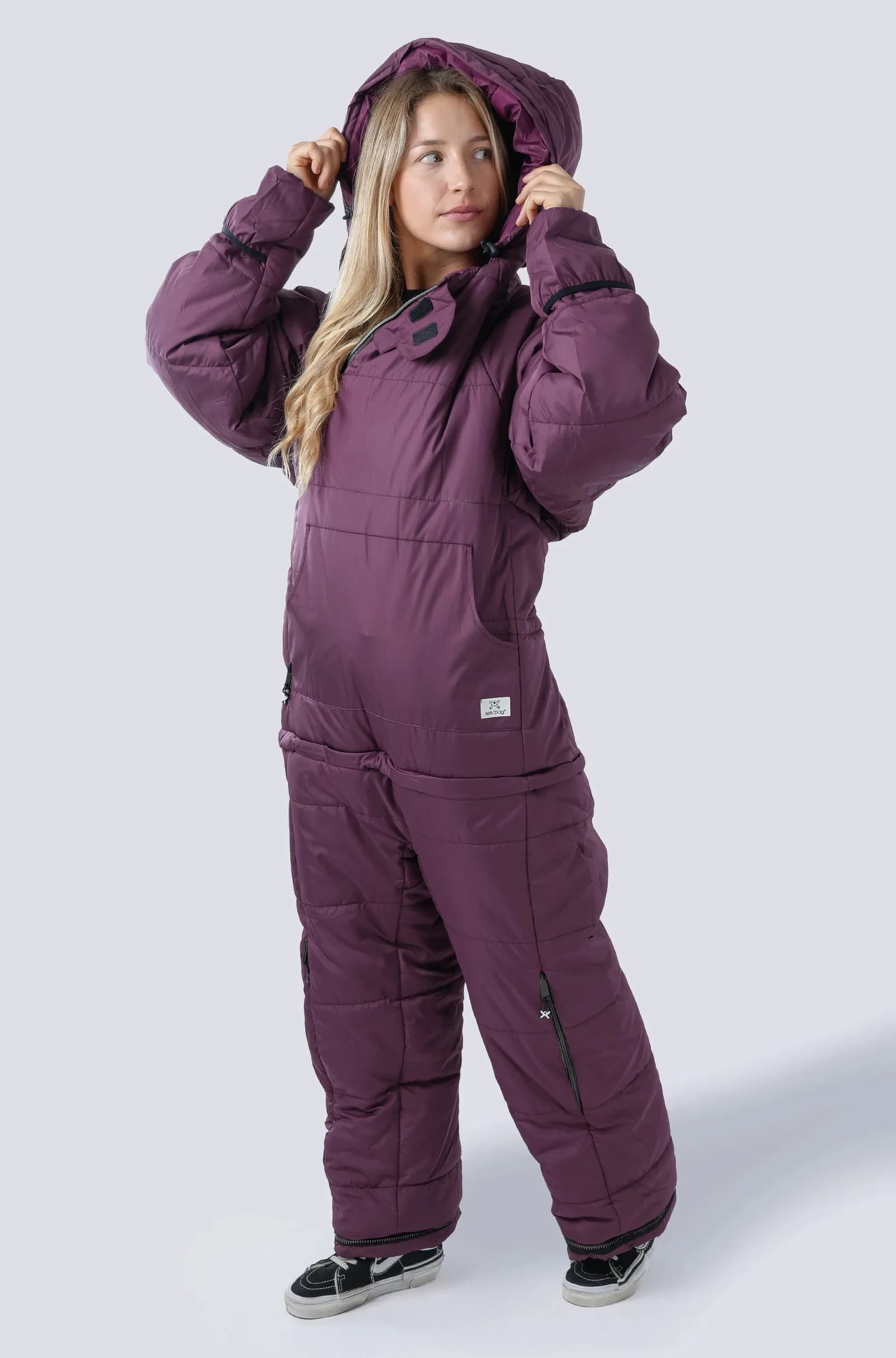
What Is a Wearable Sleeping Bag?
The Selk'bag SWYTCH wearable sleeping bag lets campers walk, cook and sit around the fire while staying insulated, and it comes in three models rated from 48–55°F to 35–44°F for different seasons.
Selk'bag was founded in 2009 in Chile, named after the Selk'Nam people of Tierra del Fuego, and it built the wearable-sleeping-bag category around one idea: a sleep system with legs, arms, a hood and booties that a wearer can move, walk and sit in without unzipping and climbing out the way you would a traditional mummy bag.
The SWYTCH Original is the best all-round pick for three-season camping; step down to the Lite for warm-weather trips or up to the Pro for cold, wet conditions.
If you camp across spring through fall and want one bag that doubles as insulated camp clothing, the SWYTCH Original's 35–44°F comfort range covers the most ground. Warm-weather campers should look at the Lite; anyone camping in wet cold should look at the Pro.
Key Highlights
- Three SWYTCH models cover comfort ranges from 48–55°F down to 35–44°F, with the Pro adding Primaloft insulation for wet cold.
- Every SWYTCH is built from 100% recycled materials — shell, insulation and zippers — and is machine washable.
- The 2-in-1 convertible design has full legs, arms, a hood and removable booties, so you can walk and do camp chores without unzipping.
What Is a Wearable Sleeping Bag?
A wearable sleeping bag is a full-body sleep system with legs, arms and a hood that lets you move, walk and sit without unzipping. Unlike a traditional mummy bag, the Selk'bag SWYTCH wearable sleeping bag doubles as insulated camp clothing you can cook, sit by the fire and handle short camp tasks in.
Selk'bag's own description says wearers can "move around, walk, sit and do all the campsite essentials" while staying insulated — a mid-body zipper converts the bag into a jacket-like configuration in seconds. That mobility is the entire point of the design: instead of packing a mummy bag for sleep and separate insulated layers for moving around camp, the SWYTCH tries to cover both.

SWYTCH Temperature Ratings Compared

SWYTCH Original
Rated for a comfort range of 35–44°F (2–6°C), built from 100% recycled materials.
Temperature ratings are the number that actually decides which SWYTCH model belongs in your kit, so treat them as the headline spec rather than an afterthought. Selk'bag publishes a comfort range for each model, and the three sit far enough apart that mixing them up means being either too warm to sleep or genuinely cold overnight.
The SWYTCH Original is built for three-season use with a comfort range of 35–44°F (2–6°C). The SWYTCH Lite is the warm-weather option, rated for 48–55°F (9–13°C) and built for spring and summer camping, festivals and casual lounging. The SWYTCH Pro does not publish a separate comfort-range figure but upgrades to Primaloft insulation described as comparable to 550-fill down, which the brand says performs better than hollow-fiber insulation once conditions turn wet.
None of these figures are lab-guaranteed minimums — they are the brand's own comfort ratings, and actual warmth still depends on your base layers, sleeping pad, and how active you stay. Treat a comfort rating as a starting point for gear planning, not a promise.
| Model | Comfort Range | Insulation | Best For |
|---|---|---|---|
| SWYTCH Original | 35–44°F (2–6°C) | Recycled hollow-fiber | Three-season camping |
| SWYTCH Lite | 48–55°F (9–13°C) | Recycled hollow-fiber | Warm weather, indoor lounging |
| SWYTCH Pro | Not separately rated | Primaloft (comparable to 550-fill down) | Cold, wet conditions |
Materials and Sustainability
Every Selk'bag SWYTCH model is built from 100% post-consumer recycled materials: a recycled polyester shell, recycled hollow-fiber or Primaloft insulation depending on the model, and recycled zippers. The insulation carries a DWR (Durable Water Repellent) coating to help shed moisture, and Selk'bag states every bag is machine washable.
The recycled-bottle count scales with the amount of material in each bag: the Original is made from 230 recycled plastic bottles, the Lite from 153 recycled plastic bottles, and the Pro from 140 recycled plastic bottles. Selk'bag also makes a separate wearable blanket from 65 recycled plastic bottles, weighing 0.9 kg with 240 gsm hollow-fiber insulation and OEKO-TEX Standard 100 certification. Unlike the SWYTCH bags, the blanket carries no DWR coating, and Selk'bag specifically credits that absence for making the blanket PFAS-free.

The Three Selk'bag SWYTCH Models
Each SWYTCH model shares the same convertible 2-in-1 design — full leg coverage, full arm sleeves, an insulated hood and a mid-body zipper — but differs on insulation and recycled-bottle count. Here is how they break down individually.
SWYTCH Original
What We Like
- Widest comfort range of the three models for general three-season use.
- Full-body mobility with removable booties and a convertible mid-body zipper.
- Machine washable, built entirely from recycled materials.
What to Consider
- Not rated for wet, near-freezing conditions the way the Pro is.
- Bulkier to pack than a compressible mummy bag.
The SWYTCH Original is Selk'bag's core three-season model, built to cover the widest range of camping conditions in one bag. Its 35–44°F comfort rating makes it the default recommendation for campers who want one wearable sleeping bag rather than separate gear for sleeping and moving around camp.

SWYTCH Lite
What We Like
- Lighter build than the Original, suited to spring and summer trips.
- Same full-leg, full-arm mobility and convertible design.
- Works well for festivals and casual lounging, not just camping.
What to Consider
- Not warm enough for late-fall or winter comfort ranges.
The SWYTCH Lite trades insulation for weight, aiming at the 48–55°F comfort band rather than colder nights. It uses the same 2-in-1 convertible design as the Original, so you still get full mobility — just with a lighter build suited to warm-weather camping, festivals and indoor use.

SWYTCH Pro
What We Like
- Primaloft insulation holds up better than hollow-fiber once things get wet.
- Selk'bag's premium model, positioned above the Original on insulation quality.
What to Consider
- Selk'bag does not publish a separate comfort-temperature figure for the Pro, unlike the Original and Lite.
The SWYTCH Pro is Selk'bag's premium model, swapping hollow-fiber for Primaloft insulation described as comparable to 550-fill down. Selk'bag positions Primaloft as the better performer in wet conditions specifically, which makes the Pro the pick for damp, cold-weather trips rather than dry three-season camping.
How to Use a Wearable Sleeping Bag at Camp
The convertible design is only useful if you actually use the mid-body zipper and booties the way they are meant to work. A few practical steps make the difference between the SWYTCH feeling like a gimmick and feeling like real camp gear.
- Zip fully for sleep. Close the mid-body zipper and pull the hood up for maximum insulation overnight, the same as you would seal a traditional mummy bag.
- Unzip partway for camp chores. Drop the mid-body zipper to free your legs while keeping your torso and arms insulated — useful for cooking or sitting at a picnic table.
- Use the booties as slippers. The removable booties let you walk short distances around camp without switching to separate footwear.
- Layer underneath for your rated range. A thin base layer under the SWYTCH keeps you inside the published comfort range without overheating.
- Carry a hands-free light for after dark. With both arms sleeved inside the bag, holding a phone light is awkward — a compact flashlight or headlamp makes it easier to walk to the fire or the bathroom at night.
- Hand-check the DWR coating before wet trips. The insulation's water-repellent coating sheds light moisture, but it is not a substitute for a rainfly if you expect sustained rain.

What a Cold-Weather Reviewer Found
We have not personally tested a SWYTCH ourselves, so for real-world cold-weather performance we turned to a published third-party review. A reviewer at The Hunting Gear Guy tested the SWYTCH Original in active cold conditions of roughly −15°C (5°F) while wearing minimal base layers — jeans, a t-shirt and a toque — and reported staying comfortable while moving around.
The same reviewer noted using the bag for emergency clothing and hunting applications over 6 years of continuous use. As with any comfort rating, the reviewer's own caveat is worth repeating: ratings are guidelines, not guarantees, and actual comfort depends on clothing, sleeping pad quality and individual tolerance to cold.
Common Mistakes When Choosing a Wearable Sleeping Bag
Most disappointment with a wearable sleeping bag traces back to one of a few avoidable choices at purchase time, not a flaw in the product itself.
- Buying the Lite for a fall or winter trip. Its 48–55°F comfort range is built for warm weather, not shoulder-season camping.
- Assuming the Pro's Primaloft means it is warmer, not just wetter-weather capable. Selk'bag positions Primaloft as better in wet conditions specifically, not as a higher temperature rating.
- Machine washing without checking care instructions first. Selk'bag states the SWYTCH is machine washable, but always follow the specific care label on your unit.
- Treating the comfort rating as a hard floor. It is a starting point — pair it with a good sleeping pad and a base layer, not bare skin, for the rated range.
- Forgetting camp seating. A wearable sleeping bag still benefits from an elevated, insulated seat — pairing it with a packable camping chair keeps you off the cold ground during the hours you are not actually lying down.
Buying Guide: What to Look For
Match the Comfort Range to Your Season
Start with when you actually camp. The Original's 35–44°F range covers spring through fall for most climates; the Lite's 48–55°F range suits summer nights and indoor use; the Pro is the one to reach for when the forecast adds rain or snow to cold temperatures.
Think About Mobility, Not Just Warmth
The entire value proposition of a wearable sleeping bag over a traditional mummy bag is that you can walk, sit and cook without unzipping. If you mostly want a bag to lie in and never move, a conventional sleeping bag may pack smaller for the same warmth.
Consider the Full Camp Setup
A wearable sleeping bag solves warmth while you are moving around camp, but shelter and shade still matter for the rest of your trip — an easy-pitch pop-up canopy covers the daytime half of the same problem the SWYTCH solves overnight.
Check the Materials if Sustainability Matters to You
All three SWYTCH models are built from 100% recycled shell, insulation and zipper materials. If you want an even lighter recycled option for around camp rather than sleeping, Selk'bag's wearable blanket is made from 65 recycled plastic bottles, is OEKO-TEX Standard 100 certified, and is PFAS-free.
How We Chose
We compared all three current SWYTCH models against Selk'bag's own published specifications and cross-checked cold-weather performance against a published third-party field review, rather than running our own tests.
The Bottom Line
The Selk'bag SWYTCH wearable sleeping bag is worth it if you want warmth without giving up mobility at camp. Pick the Original for general three-season use, the Lite for warm weather, and the Pro when wet cold is on the forecast.
Shop Selk'bag SWYTCHReferences
More Home & Outdoor Gear guides
 Wuben Flashlight Guide 2026: EDC, Tactical & Spotlight Models
 Jakiper Battery Guide: 6 LiFePO4 Systems Compared (2026)
 Crown Shades Canopy Guide 2026: Best Pop-Up Models Compared
 Kit Solare per Camper: Guida 2026 al Dimensionamento
 Best CKG Sand Scoop Guide: Pick the Right One (2026)
 Paddle North Gear Guide 2026: Best Kayaks, SUPs & Floats