Asiwo MANTA 2 Review 2026: 90-Min Dive Underwater Scooter
The Asiwo MANTA 2 reaches 131 ft depth with 90 minutes of run time at 8.2 ft/s. Our 2026 Asiwo MANTA 2 review covers dive performance and who needs it.
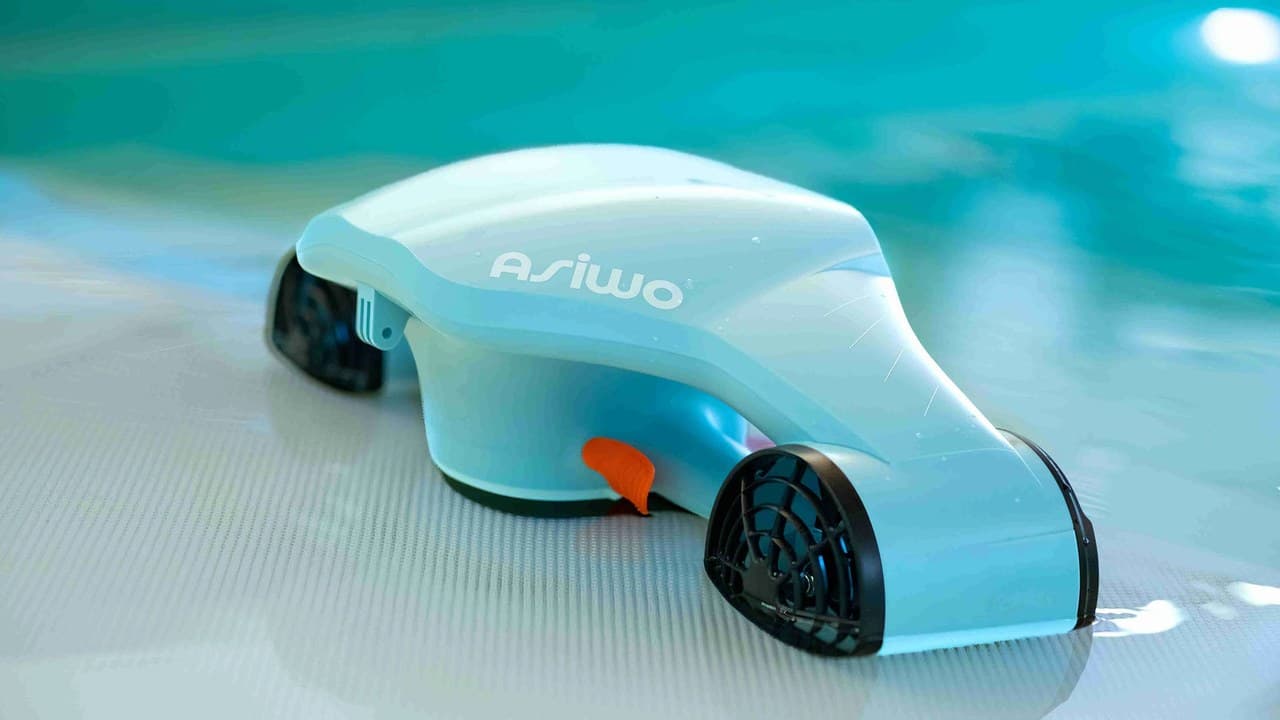
Asiwo MANTA 2 Review: What Has Actually Changed
Underwater scooters have existed for decades, but the modern consumer-grade category has only recently crossed the threshold into genuinely usable dive tools rather than novelty toys. The Asiwo MANTA 2 sits at the serious end of that spectrum. It is designed for advanced divers and freedivers who want to cover more ground underwater, stay longer at depth, and do so with a device that will not quit after 30 minutes when the dive is just getting interesting.
This Asiwo MANTA 2 review is for divers who are evaluating the MANTA 2 against other underwater scooters - including Asiwo’s own MANTA original and MAKO - and who want to understand the real performance differences before committing to a purchase.
Asiwo MANTA 2 Review: What Has Actually Changed
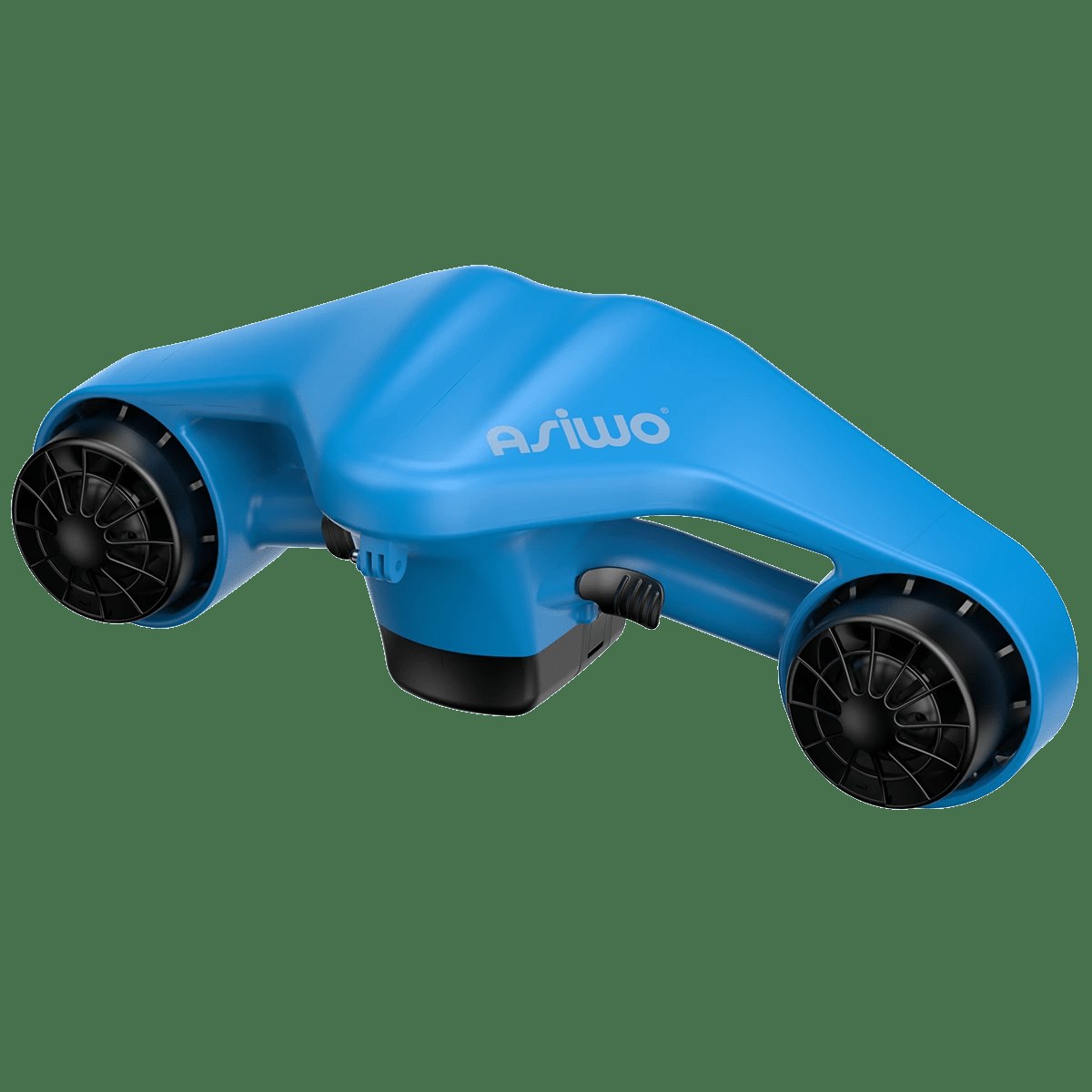
The original MANTA was a capable device, but its 35-minute runtime was a genuine limitation for longer dive profiles. Freediving sessions, extended reef exploration, and drifting alongside faster marine life all suffer when you have to surface halfway through.
The MANTA 2 addresses that constraint directly:
| Spec | MANTA (Original) | MANTA 2 |
|---|---|---|
| Max depth | 131 ft | 131 ft |
| Runtime | 35 minutes | 90 minutes |
| Max speed | 5 ft/s | 8.2 ft/s |
| Weight | 7.7 lbs | 9.9 lbs |
| Battery | - | 252Wh |
| Target user | Recreational divers | Advanced divers / freedivers |
The runtime improvement from 35 to 90 minutes is not incremental - it is a category change. At 35 minutes, the MANTA original is a tool for shorter dives or exploration as a secondary activity. At 90 minutes, the MANTA 2 can serve as a primary propulsion tool for extended dives. An advanced recreational diver or freediver can plan an entire dive profile around 90 minutes of powered assistance at depth.
The speed increase from 5 to 8.2 ft/s matters for a different reason. At 5 ft/s, you are moving faster than an unassisted diver but not dramatically so. At 8.2 ft/s, you are covering roughly 1.4 miles per hour underwater - fast enough to meaningfully extend range, keep pace with faster fish species, and navigate drift conditions that would exhaust a diver swimming unassisted.
The weight increase from 7.7 to 9.9 lbs is the trade-off. The MANTA 2 is heavier in hand on the boat, but buoyancy makes weight largely irrelevant once submerged. The 252Wh battery driving the improved performance accounts for most of the added mass.
Asiwo MANTA 2 Review: Freediving vs. Scuba Use Cases
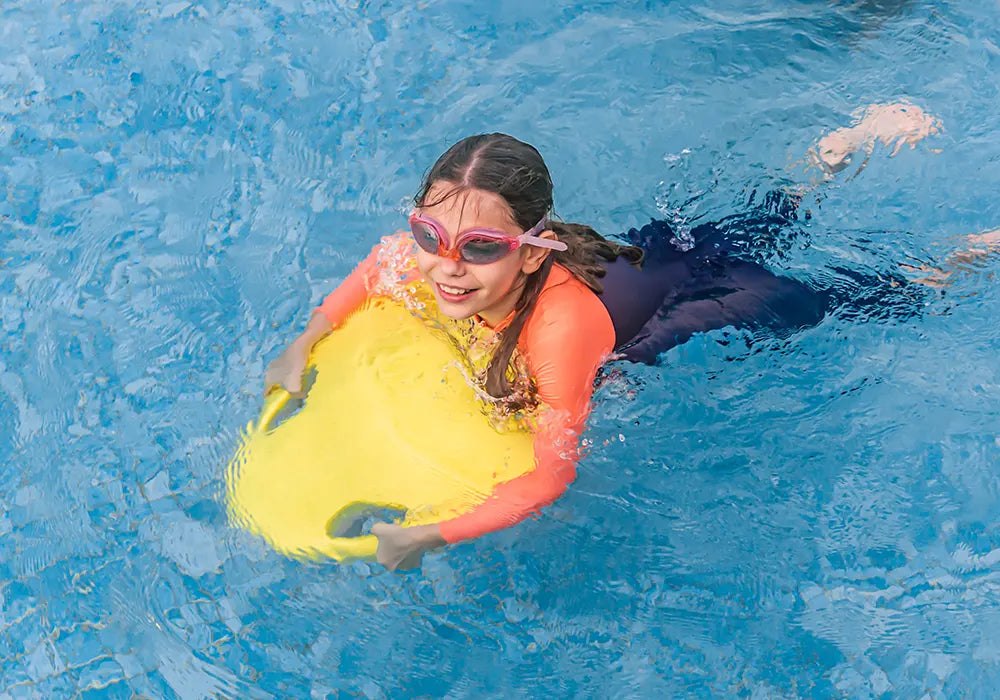
The MANTA 2 performs differently depending on how you dive, and it is worth distinguishing the two primary use cases.
For freedivers:
Freediving is fundamentally a race against breath-hold duration. Every second of propulsion efficiency you gain extends your bottom time and the distance you can explore on a single breath. The MANTA 2’s 8.2 ft/s speed and 90-minute runtime serve freedivers differently than scuba divers - runtime is less critical on any given breath-hold, but across a multi-hour freediving session, battery endurance means you can use the scooter continuously without interruption.
Freedivers also benefit from the MANTA 2’s depth rating. At 131 ft, it covers the practical depth range of most competitive freedivers. The scooter’s profile makes it easy to hold streamlined body position on descent and ascent, which directly affects drag and breath-hold efficiency.
For scuba divers:
The 90-minute runtime is the most compelling single specification for scuba use. Open-circuit scuba tank durations at moderate depth typically run 45–75 minutes for recreational profiles. The MANTA 2’s 90-minute runtime means it effectively matches or exceeds a standard single-tank dive duration. You will not be on a second tank while the scooter battery runs dry - the timing aligns naturally.
The 131 ft depth limit comfortably covers recreational scuba limits (130 ft is the standard recreational ceiling), making the MANTA 2 legal and appropriate for all non-technical recreational diving without workarounds or concerns about exceeding rated depth.
Comparing the Full Asiwo Lineup
Before buying the MANTA 2, it is worth understanding where it sits against the rest of the Asiwo range:
| Model | Best For | Depth | Runtime | Speed | Weight | Buoyancy |
|---|---|---|---|---|---|---|
| MAKO | Beginners / kids | Recreational | 60 min | 5 ft/s | 5.7 lbs | 265 lbs |
| MANTA | Recreational divers | 131 ft | 35 min | 5 ft/s | 7.7 lbs | - |
| MANTA 2 | Advanced / freedivers | 131 ft | 90 min | 8.2 ft/s | 9.9 lbs | - |
| U1 | SUP / Kayak / Surface | Surface | 60 min | 10 ft/s | - | 17 kgf thrust |
MAKO vs. MANTA 2:
The MAKO is designed for beginners and younger divers. Its 265-lb buoyancy rating means it can support a rider on the surface, which is helpful for newer divers building comfort in the water. But the MAKO’s 5 ft/s speed and 60-minute runtime make it a fundamentally different product. If you are a certified diver planning serious underwater exploration, the MANTA 2 is the right tool. The MAKO is the right tool for introducing someone to underwater scooters or for supervised beginner use.
MANTA (original) vs. MANTA 2:
At the same 131 ft depth rating, the choice between MANTA and MANTA 2 comes down to runtime and speed. If your dive sessions are typically under 40 minutes or you are using the scooter as an occasional supplement rather than a primary propulsion tool, the original MANTA may be sufficient. If you are building dive plans around scooter use, the 90-minute runtime and 8.2 ft/s speed of the MANTA 2 are worth the upgrade.
U1 vs. MANTA 2:
The U1 is a completely different product category - a surface thruster compatible with SUPs and kayaks, rated for 17 kgf of thrust and 10 ft/s at the surface across 60 minutes. It works with 99% of SUPs. If your use case is primarily surface water sports rather than diving, the U1 is the correct choice. For underwater diving, the MANTA 2 is the right tool.
For riders interested in powered mobility on land rather than underwater, our OUXI V8 fat tire ebike review and Navee NT5 Max review cover very different - but equally compelling - categories of electric mobility.
Frequently Asked Questions
Are underwater scooters legal in marine reserves and protected areas?
Regulations vary by jurisdiction. Many marine protected areas and national parks ban or restrict the use of motorized underwater equipment, including DPVs (Diver Propulsion Vehicles). You are responsible for checking local regulations before using the MANTA 2 in any protected environment. In open ocean and unprotected recreational diving areas, there are generally no restrictions.
Can I travel internationally with the MANTA 2?
The 252Wh battery is the key variable for air travel. Most airlines restrict lithium batteries over 160Wh in checked luggage; carry-on allowances vary. The MANTA 2’s battery at 252Wh exceeds the standard 160Wh carry-on limit and falls into the 161–300Wh range that requires airline approval. Many divers ship the scooter to their destination or rent a local unit rather than navigate air travel battery restrictions. Verify directly with your airline before booking.
What is the battery charge time?
Asiwo does not publish charge time in the primary spec sheet, but based on the 252Wh capacity and standard charging behavior for this class of device, expect 3–5 hours from depleted. Plan your dive schedule around overnight or between-session charging.
Does the MANTA 2 work for non-divers - snorkeling or surface swimming?
The MANTA 2 is rated to 131 ft and optimized for submerged use. While it will function at shallow depths and at the surface, it is not designed around snorkeling or surface swimming in the way the MAKO is (with its 265-lb buoyancy rating). For surface-focused water recreation, the MAKO or U1 is a better fit.
What maintenance does the MANTA 2 require?
Post-dive rinsing with fresh water is essential, as with all saltwater diving equipment. The motor and housing are sealed to the rated depth. O-ring inspection before dive sessions is standard practice. Asiwo recommends periodic professional inspection for heavily used units.
Who the Asiwo MANTA 2 Is Built For
The MANTA 2 is not a beginner product, and it should not be purchased as one. It is a high-capability DPV designed for:
- Advanced recreational scuba divers who regularly dive at or near the 100–130 ft recreational limit and want propulsion assistance for exploring larger areas
- Freedivers who want to extend range per breath-hold and cover more distance on multi-hour freediving sessions
- Dive instructors and dive professionals who guide large underwater areas and want reduced exertion over multi-dive days
- Underwater photographers and videographers who need to cover ground efficiently to track subjects without disturbing them
If you are a certified Open Water diver with fewer than 50 logged dives, the original MANTA or MAKO is a more appropriate starting point. The MANTA 2’s performance advantage is most meaningful for divers who already dive frequently enough to notice the difference.
Final Assessment
The Asiwo MANTA 2 makes a compelling case as the most capable consumer-grade underwater scooter at its price point. The 90-minute runtime - nearly triple the original MANTA - removes the primary frustration of DPV diving. The 8.2 ft/s speed gives you genuine range extension rather than modest assistance. And the 131 ft depth rating covers the full spectrum of recreational diving without compromise.
It is heavier than the original MANTA and meaningfully more capable. For serious divers who have outgrown the limitations of 35-minute runtime devices, it is a clear upgrade.
More E-Bikes & Scooters guides
 ONECNA GT7 Review 2026: Specs, Range and Real Repairability
 Tuttio Electric Bike Guide: 4 Models Compared Safely (2026)
 NIU Electric Scooter vs E-Bike: Best Model Guide (2026)
 A-Spadz CAVET Review: Moped-Style Electric Bike
 A-Spadz CAVET Buying Guide: 3 Models Compared for 2026
 Off-Road Electric Scooter: 6 Best Buying Criteria (2026 Guide)